RETURN TO HOME NEWS & ANNOUNCEMENTS GO TO NEWS ARCHIVES

- Copy of 2026OystersRelease-265.jpg
- Copy of XIMG_4268.jpg
- Copy of 2026OystersRelease-272.jpg
- Copy of IMG_5497.jpg
- XPXL_20260116_150313187.MP.jpg
- Copy of XIMG_4395.jpg
- Copy of IMG_4514.jpg
- Copy of XIMG_4570.jpeg
- Copy of XIMG_4566.jpeg
- Copy of XFullSizeRender.jpg
- Copy of XIMG_4192.jpg
- Copy of IMG_4504.jpg
- Copy of OysterReleaseIMG_4466 2.jpg
- Copy of CityCouncilIMG_4190.jpg
- Copy of 2026OystersRelease-150.jpg
- Copy of IMG_4253.jpg
- Copy of XIMG_4331 2.jpg
- Copy of XIMG_4395(1).jpg
- Copy of 2026OystersRelease-72.jpg
- Copy of 2026OystersRelease-154.jpg
- Copy of XFullSizeRender 9.jpg
- Copy of 2026OystersRelease-127.jpg
- Copy of XIMG_4503.jpeg
Raising oysters, raising awareness: HCS students lead the way in environmental stewardship
Fifteen dedicated teachers from 10 schools across the district dove headfirst into an authentic environmental stewardship experience with the Hampton City Schools (HCS) Oyster Restoration Program, bringing with them the curiosity, commitment, and care of hundreds of students. This year alone, the teachers and students have raised approximately 10,000 oysters, quietly transforming the Hampton River. As these oysters filter and improve water quality, students are enhancing their own understanding of critical concepts in a way that brings science and math to life through meaningful, real-world applications.
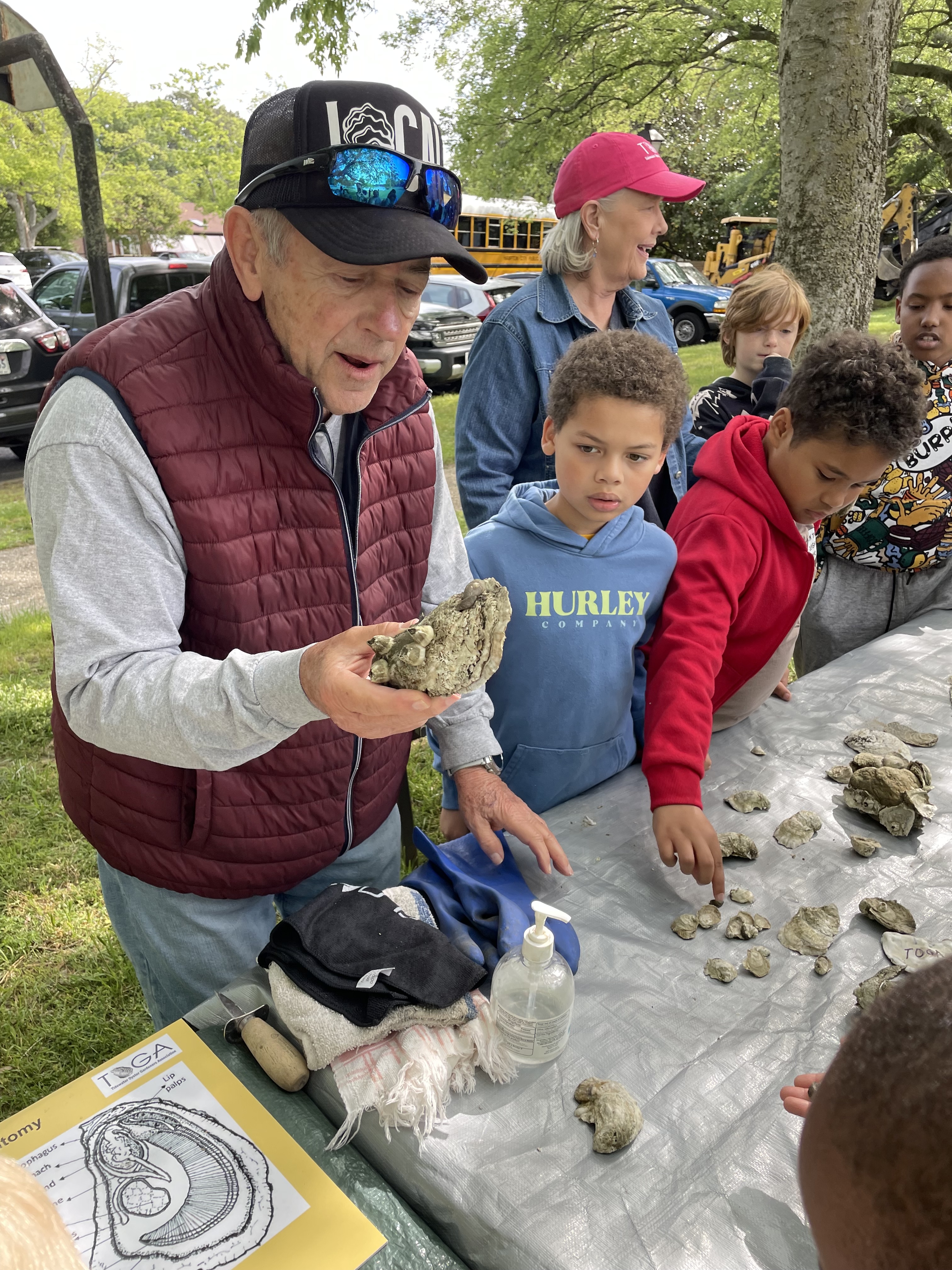
This work began with a day of immersive learning on July 29 at the Virginia Seafood Agricultural Research and Extension Center (AREC). Teachers experienced a walking seafood history tour of downtown Hampton led by Claire Neubert and Linda Hamm from the Elizabeth Lake Environmental Stewardship Committee and explored the ecological and cultural significance of the Eastern oyster and learned oyster care techniques from the Tidewater Oyster Gardeners Association (TOGA). The training also equipped teachers with hands-on activities to integrate oyster restoration into their curriculum, ensuring this was not just a project, but a sustained learning journey.
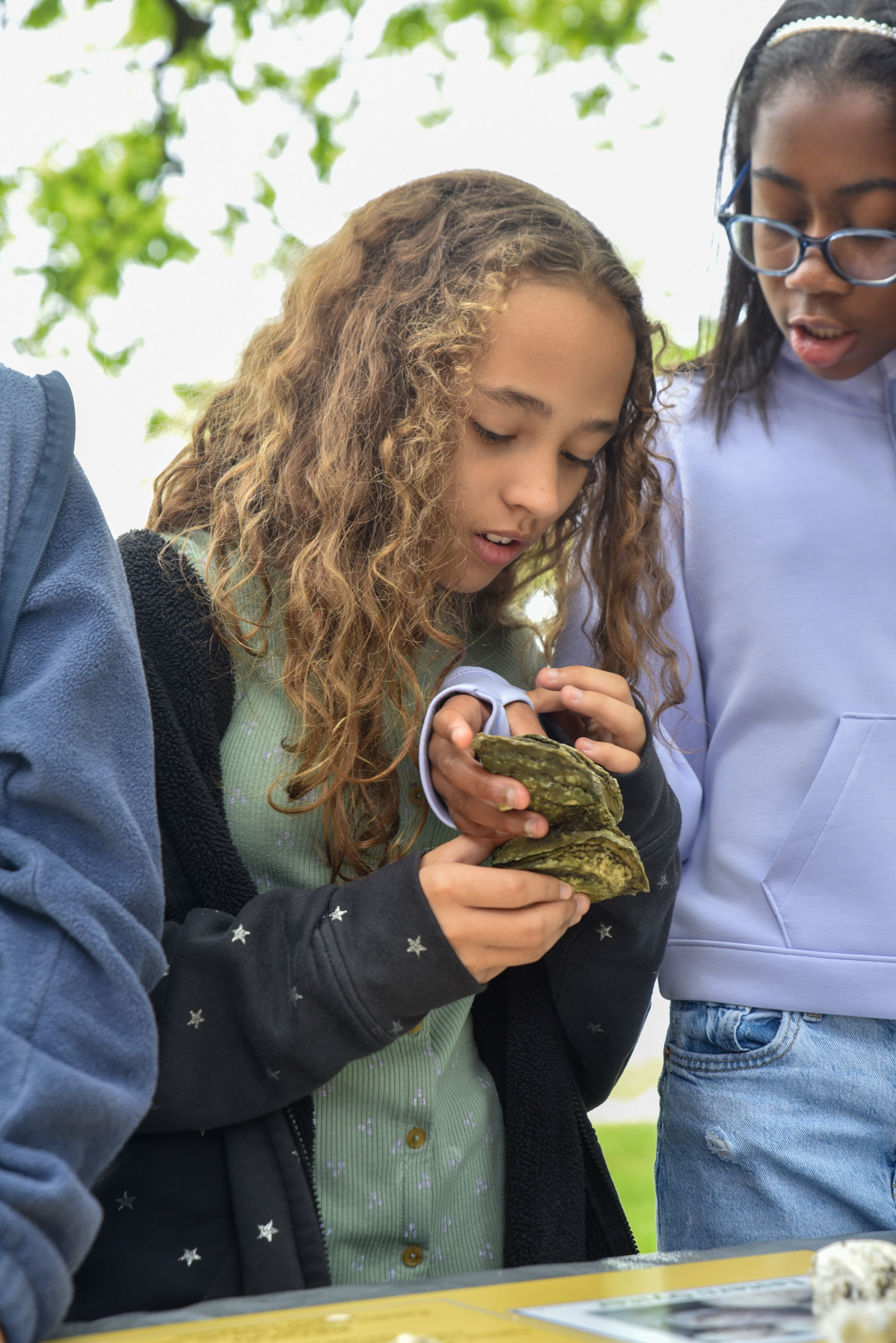
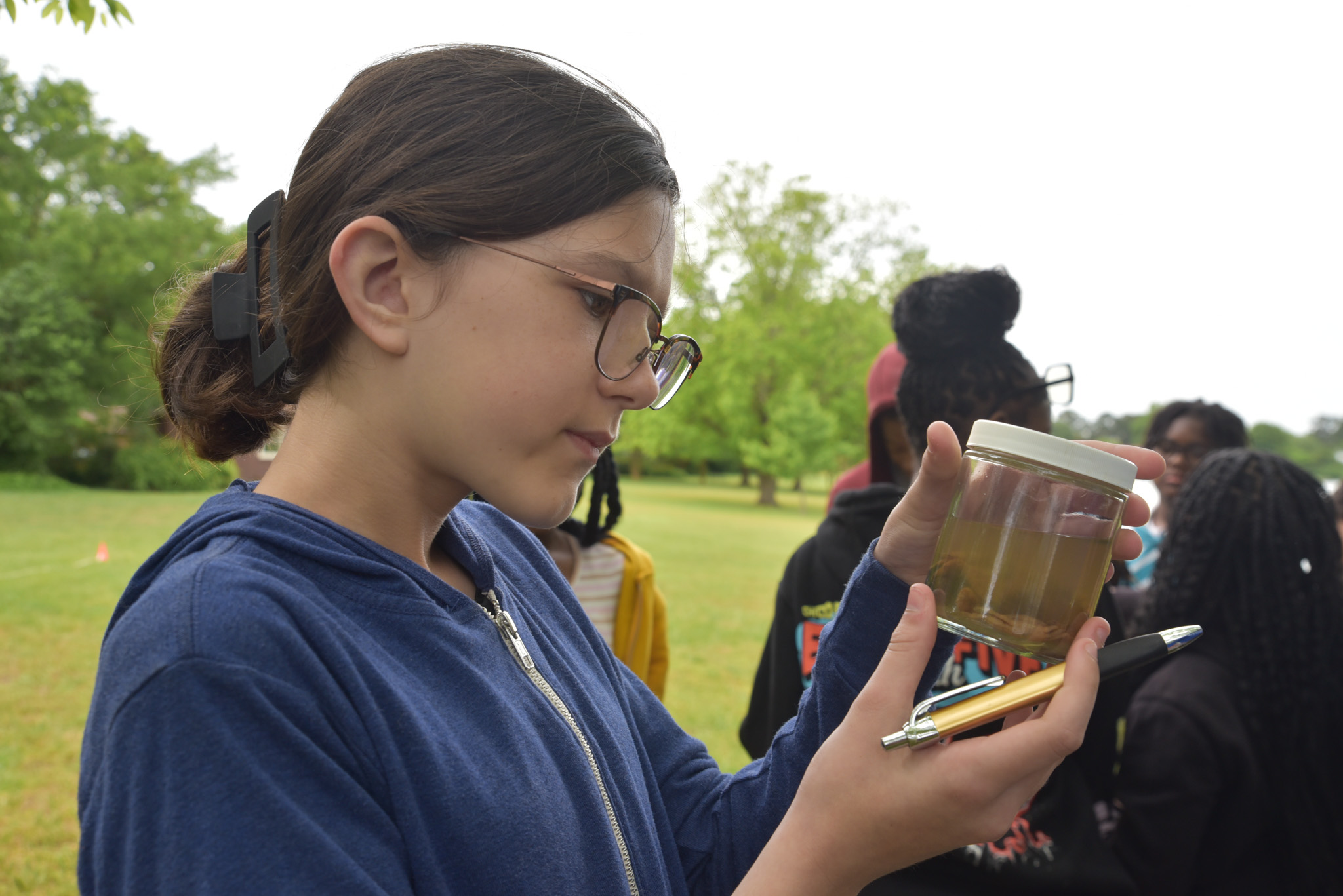
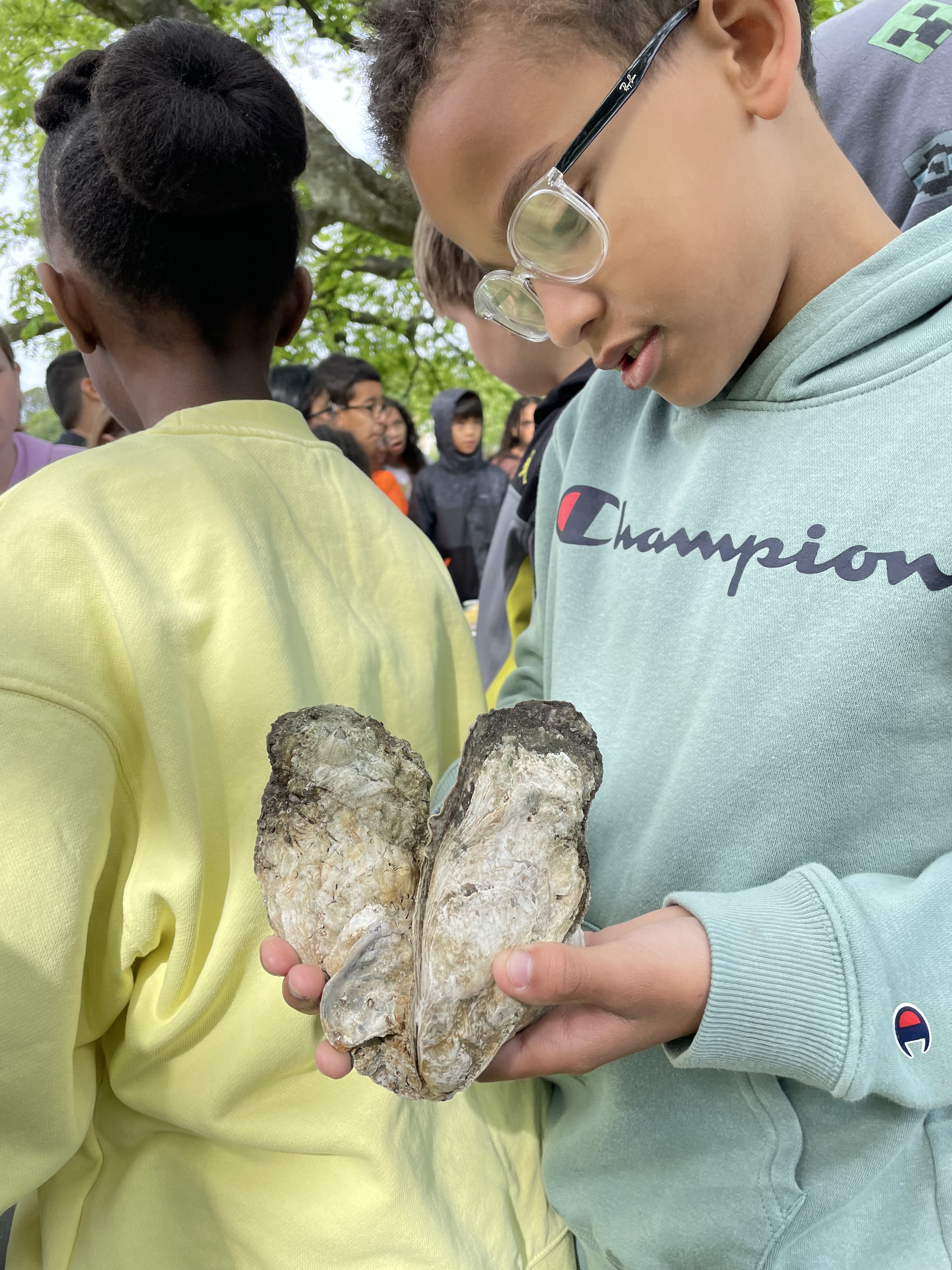
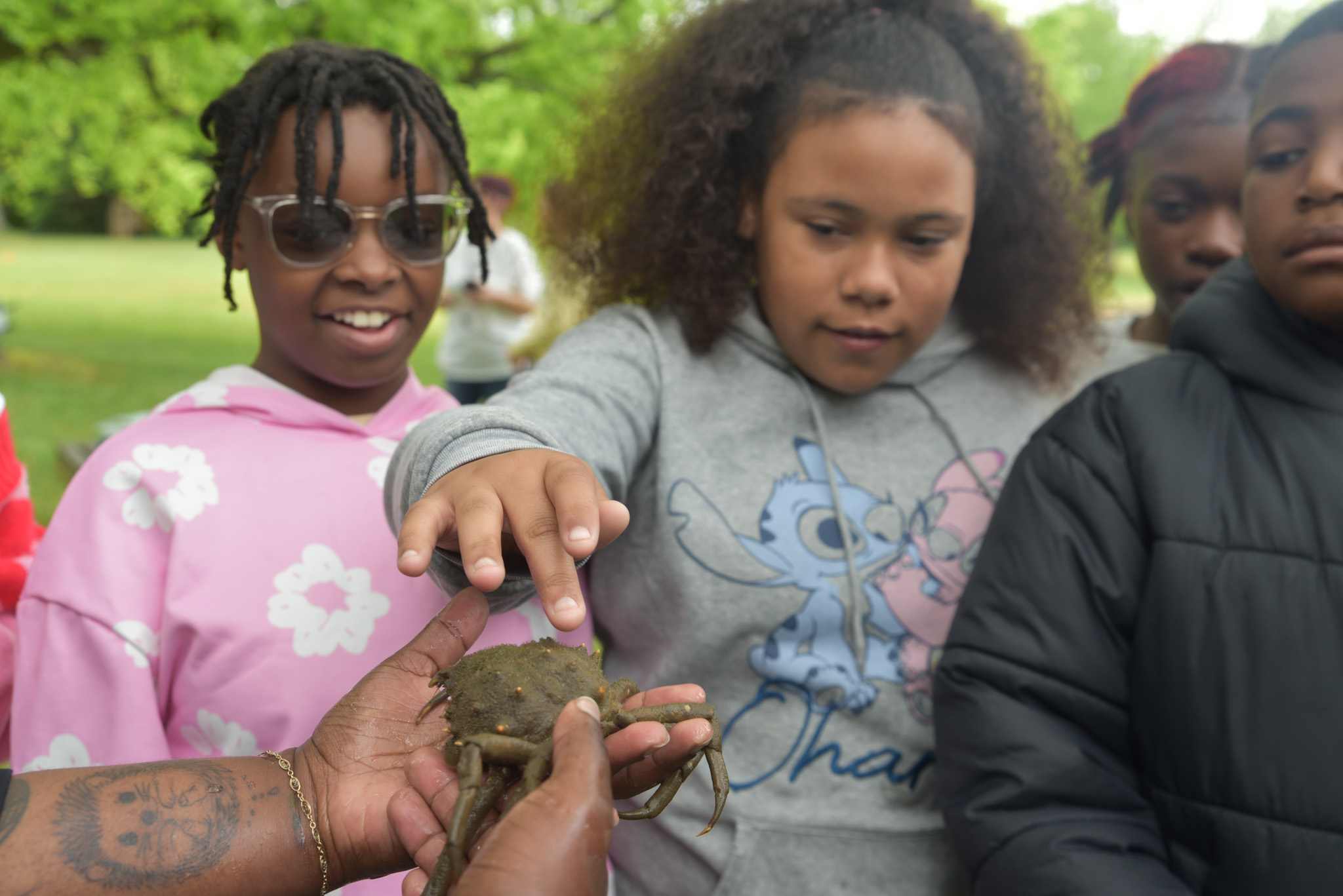
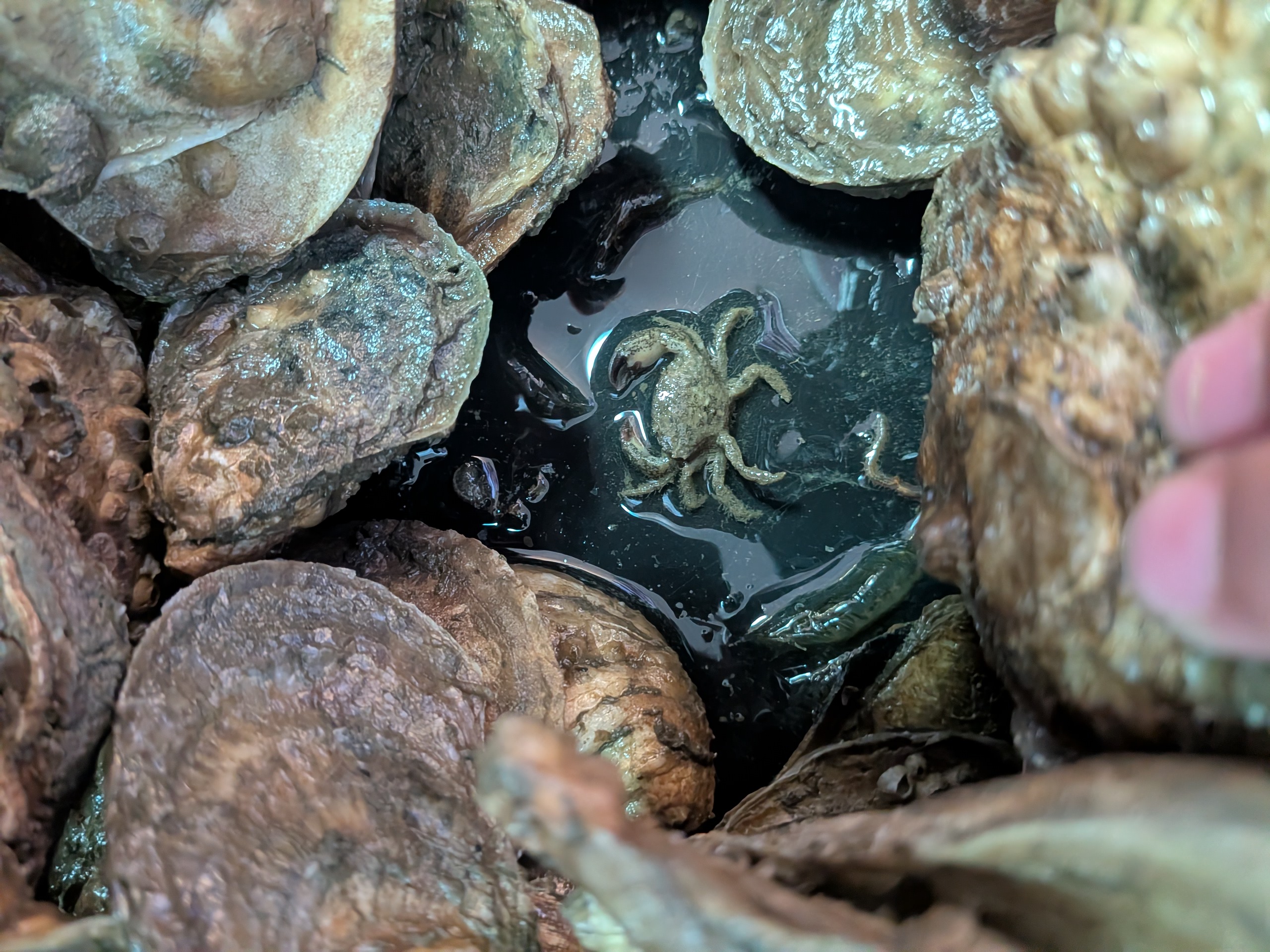
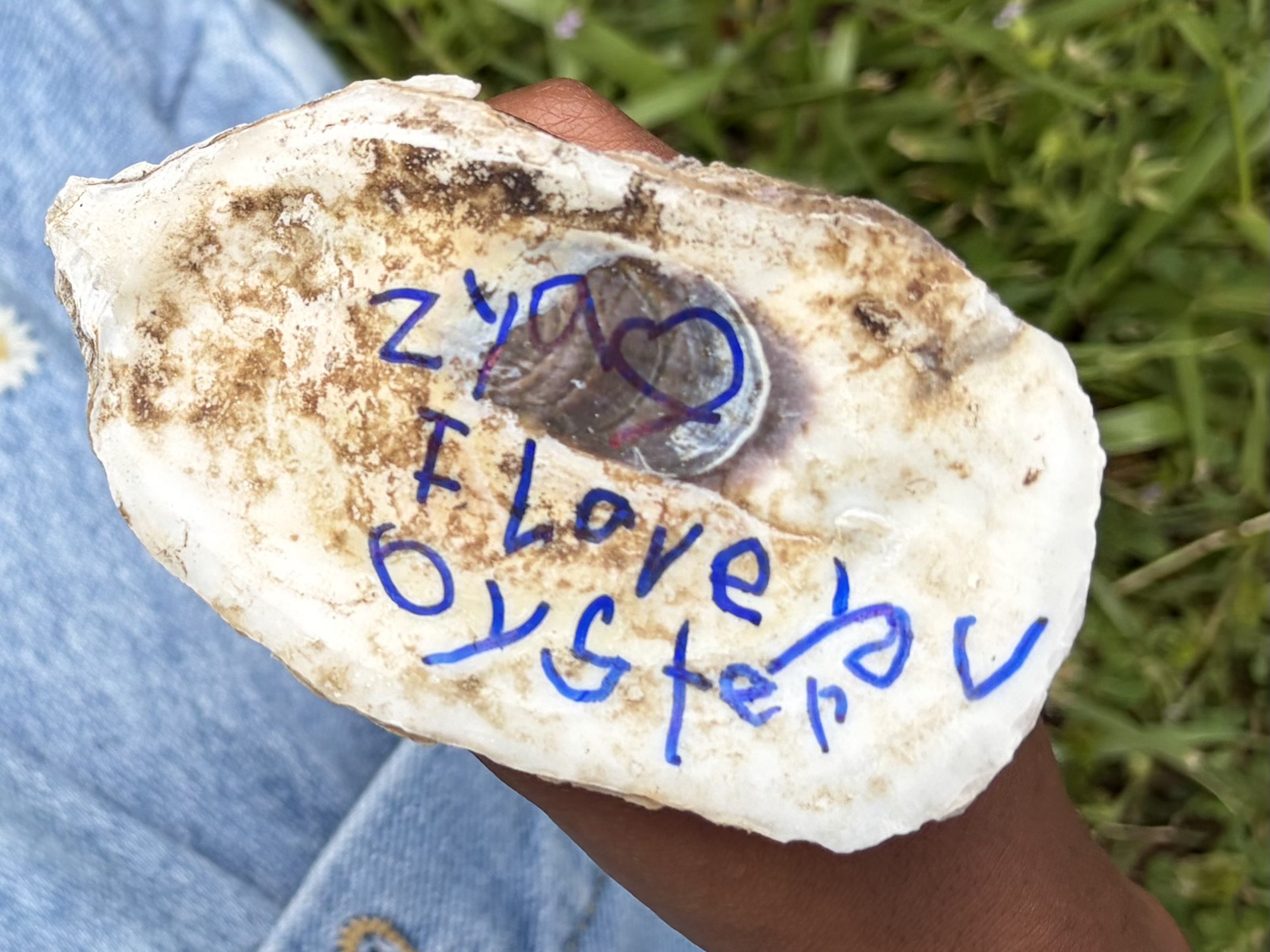
Periodically, teachers brought their oysters into the classroom. Students measured, observed, and tracked oyster growth over time, developing skills in data collection and analysis while building a deep understanding of environmental systems. They discovered that a single adult oyster can filter up to 50 gallons of water per day and explored the rich biodiversity of oyster reefs, home to more than 300 species. Through this work, students didn’t just learn about ecosystems—they became active participants in protecting them.
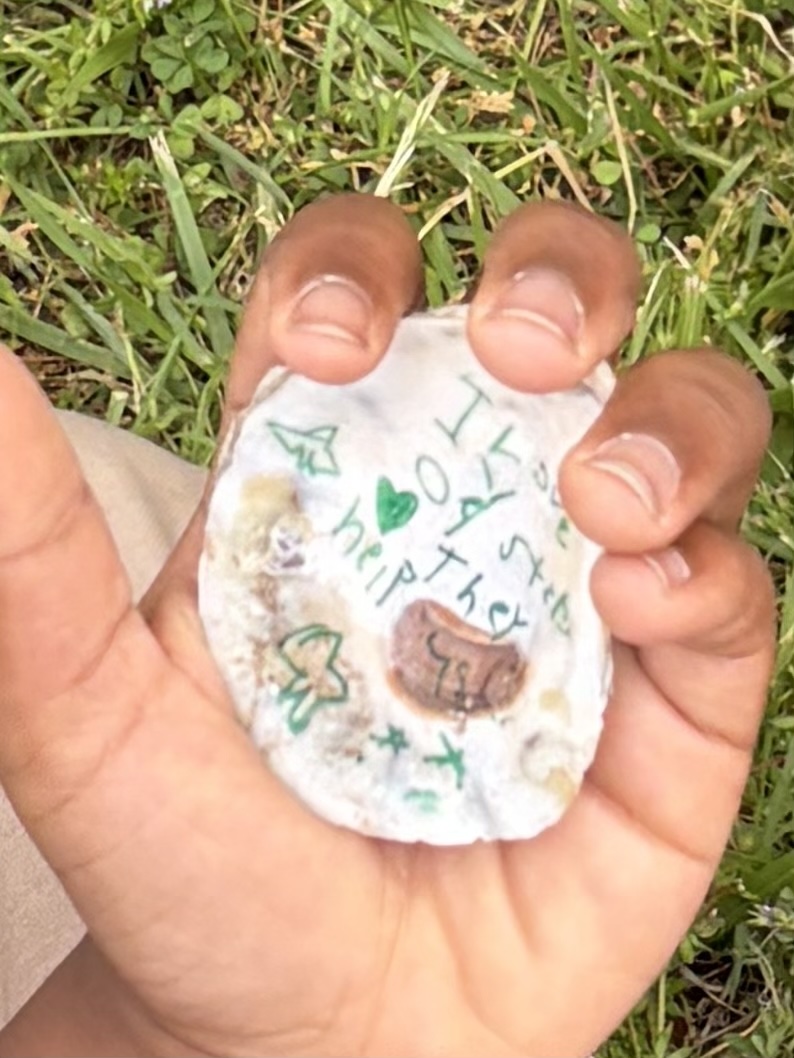
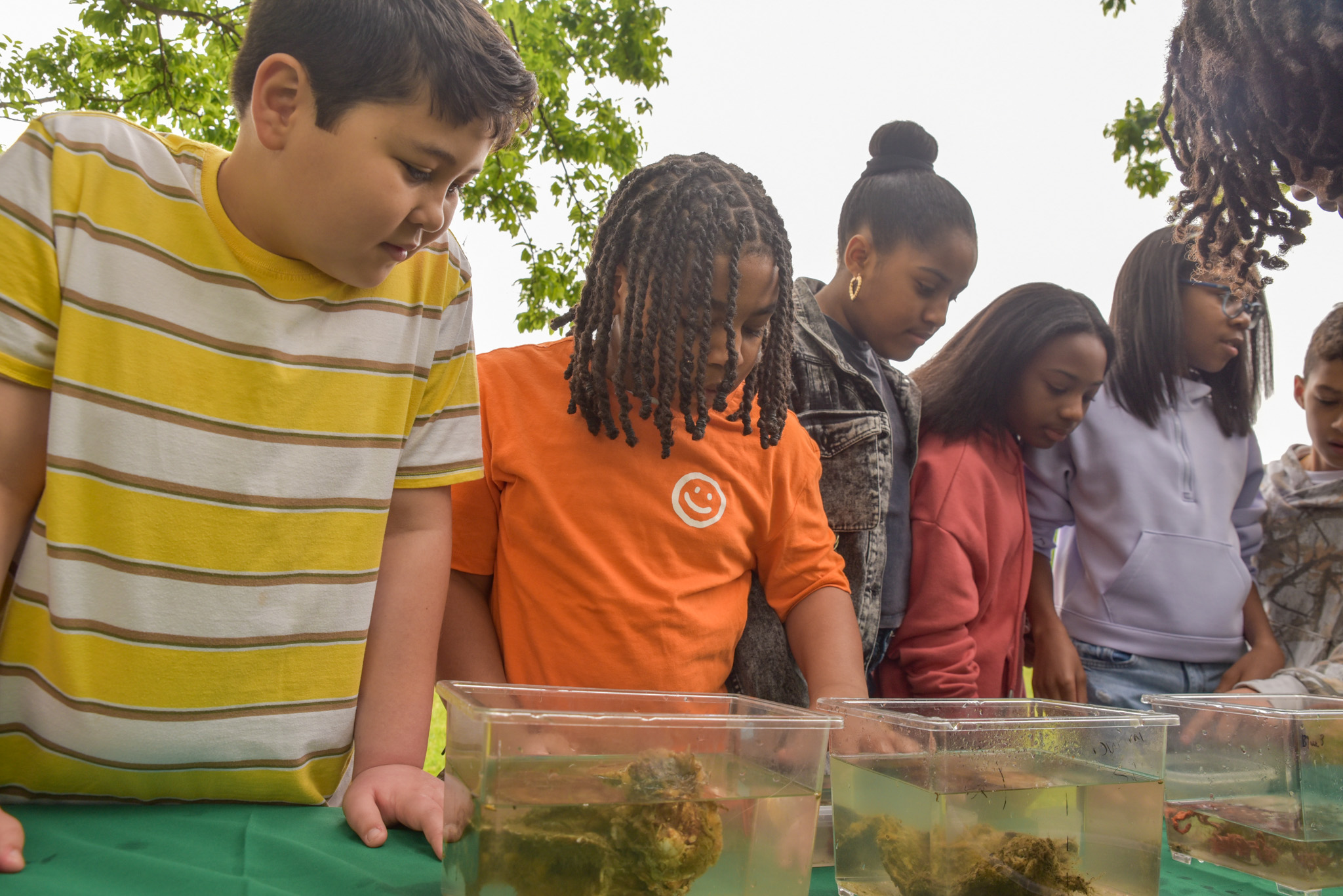
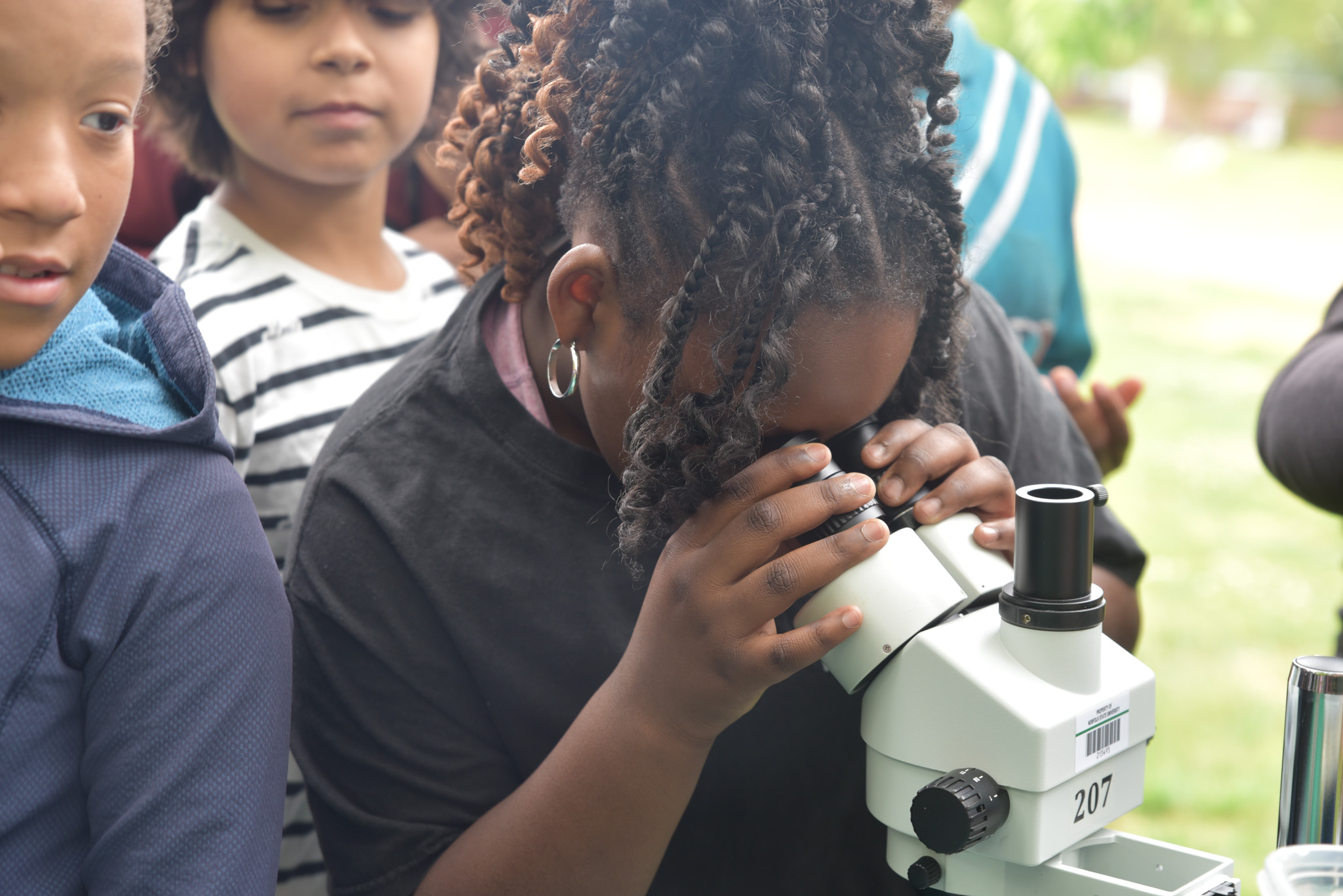
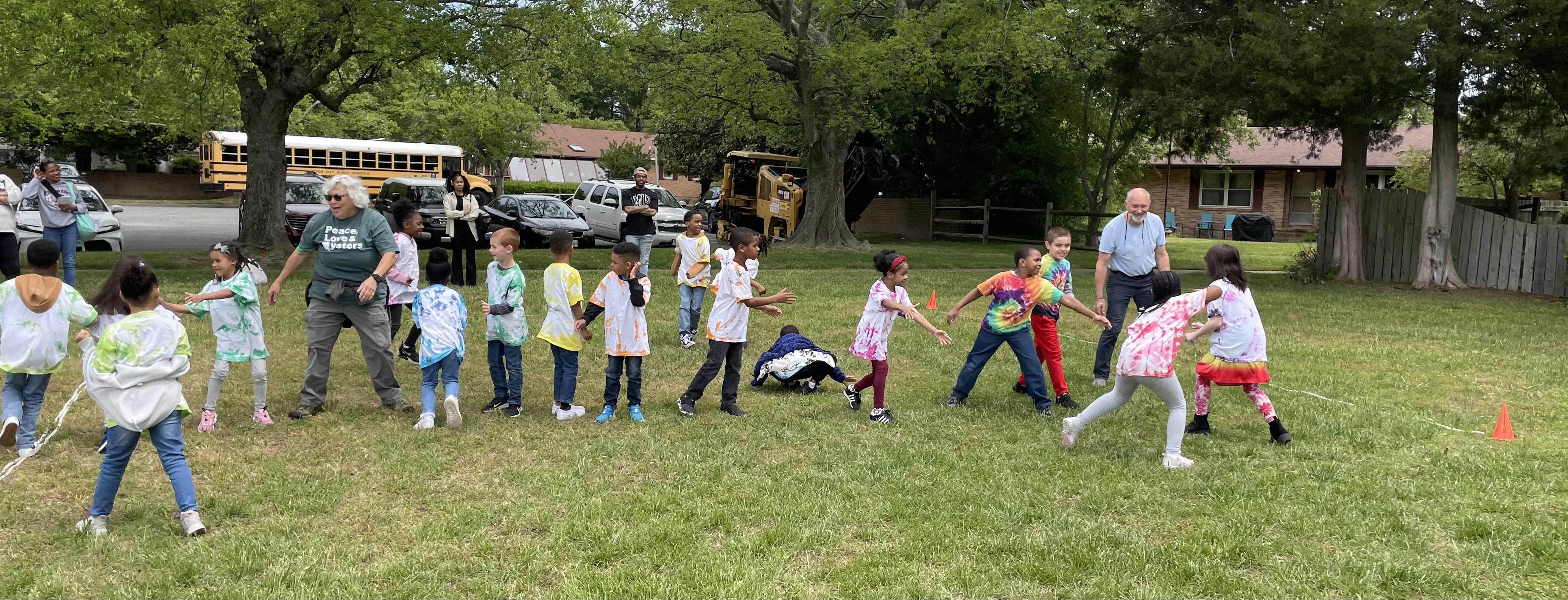
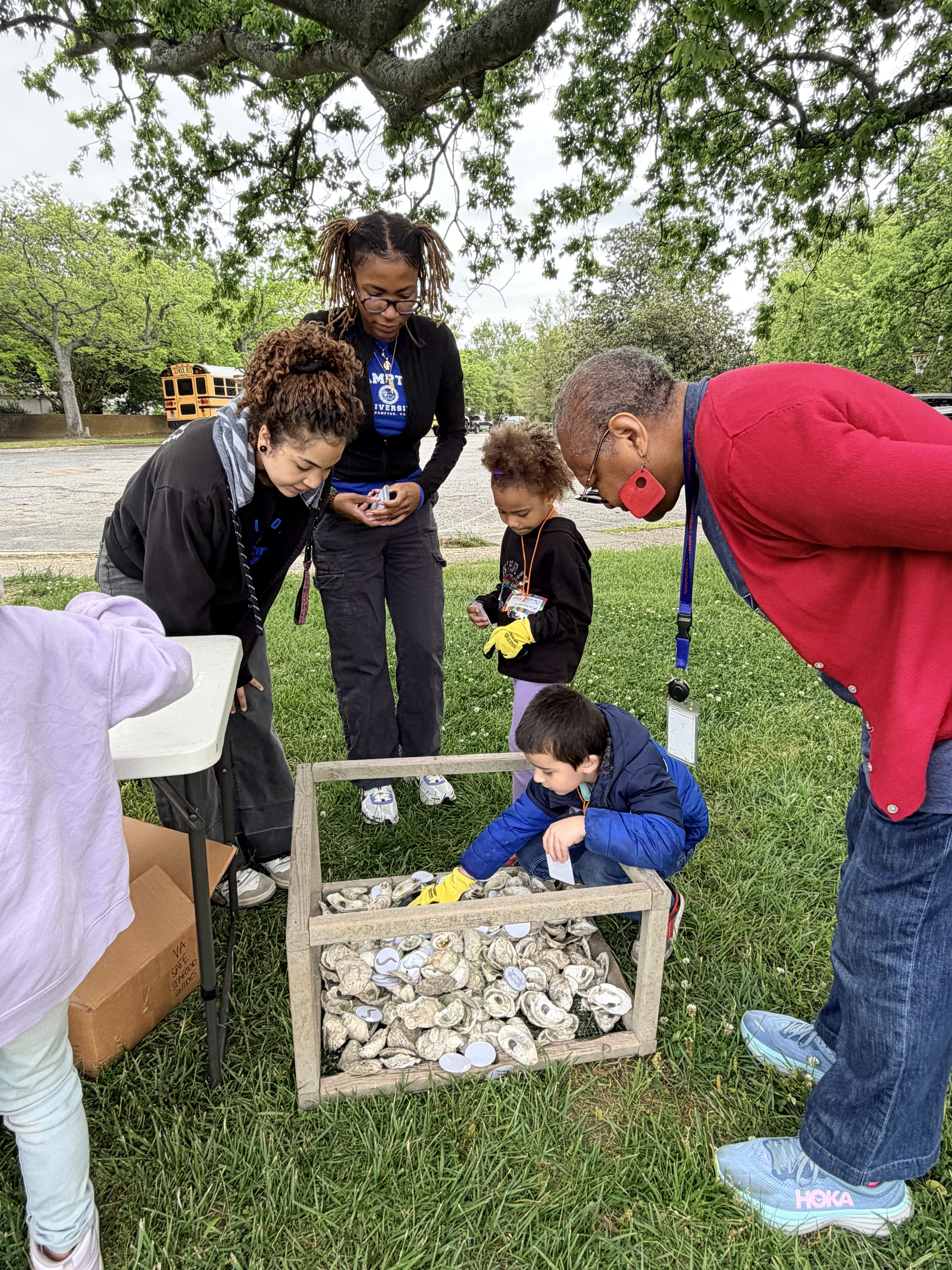
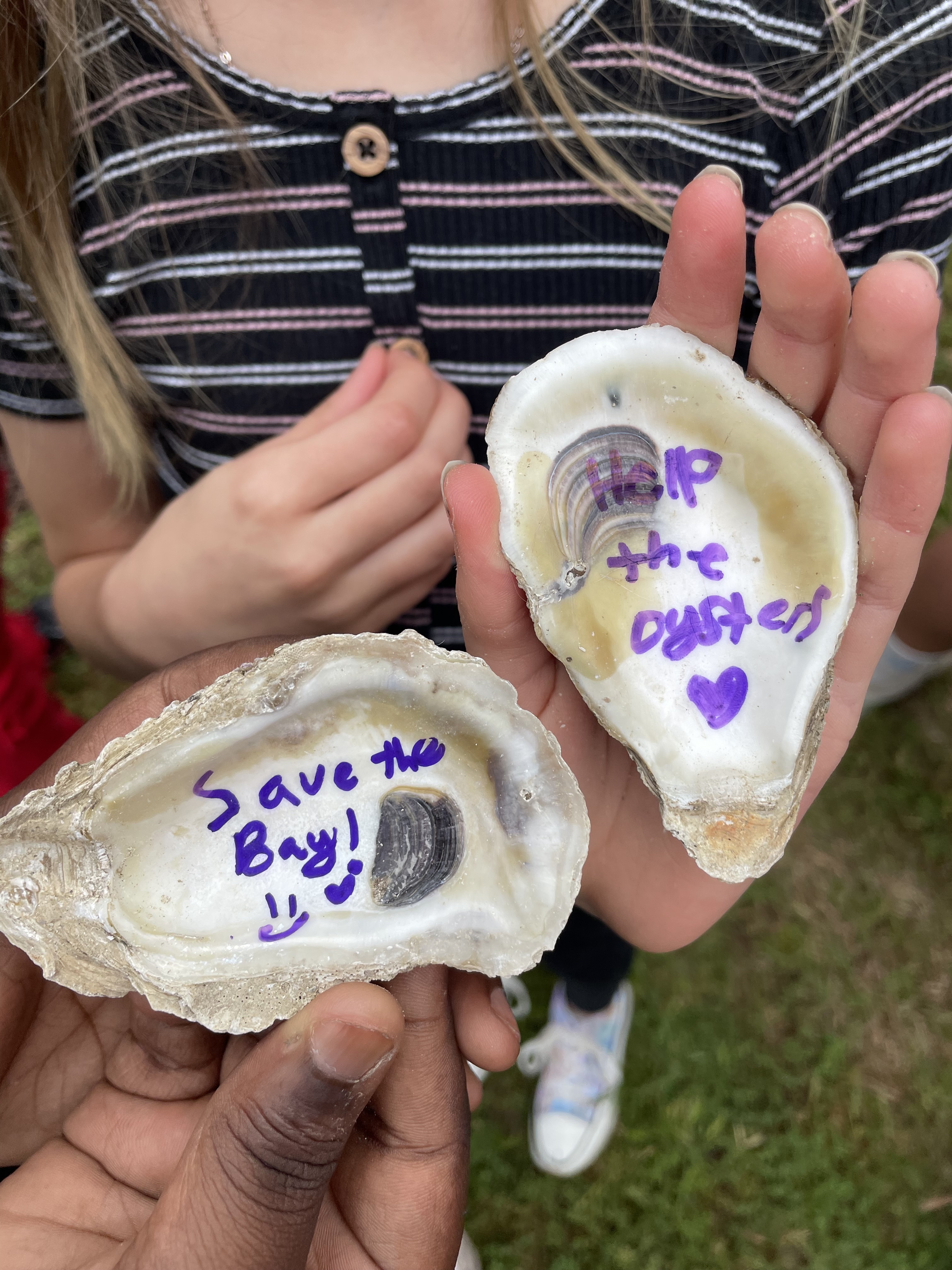
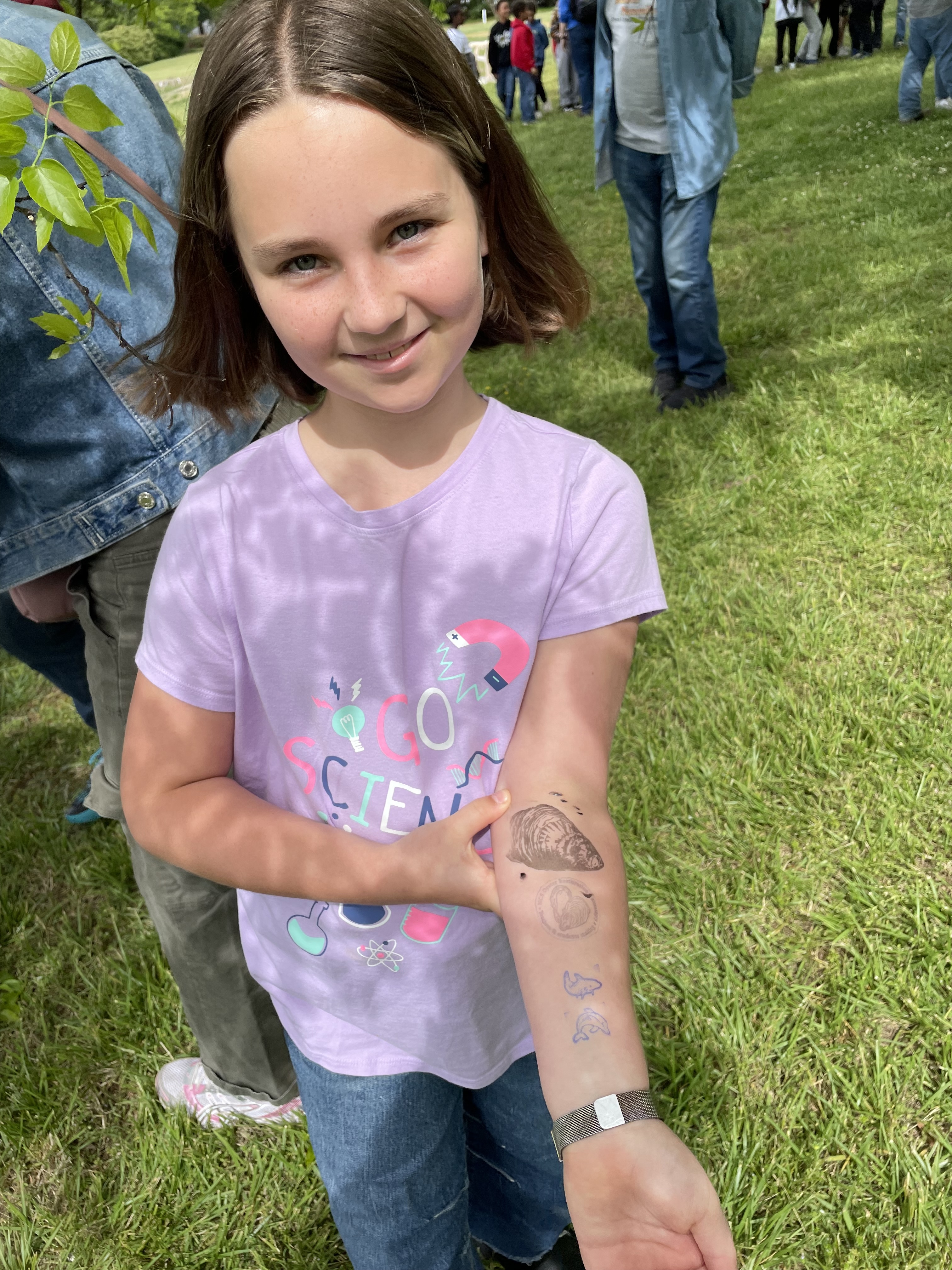
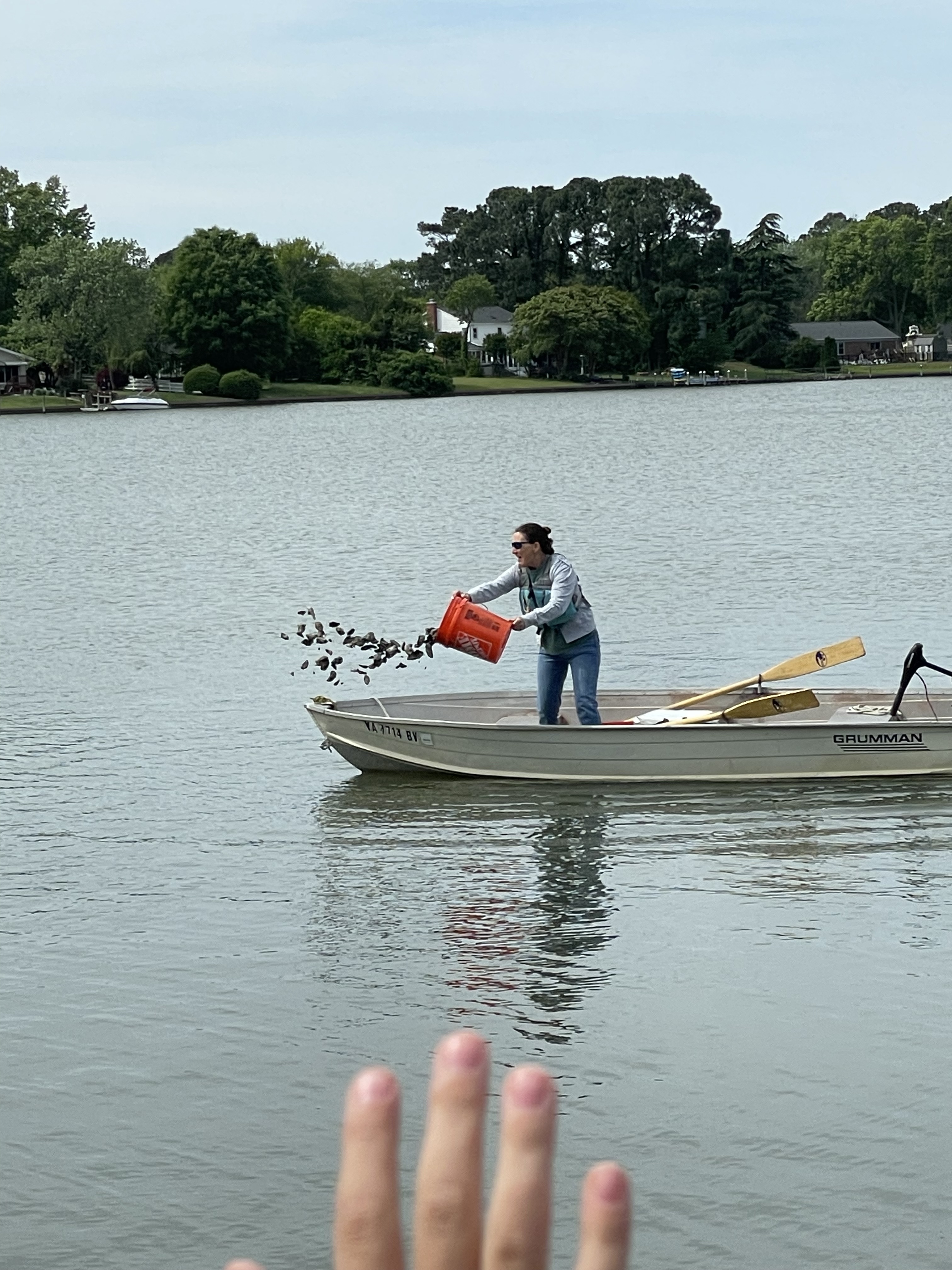
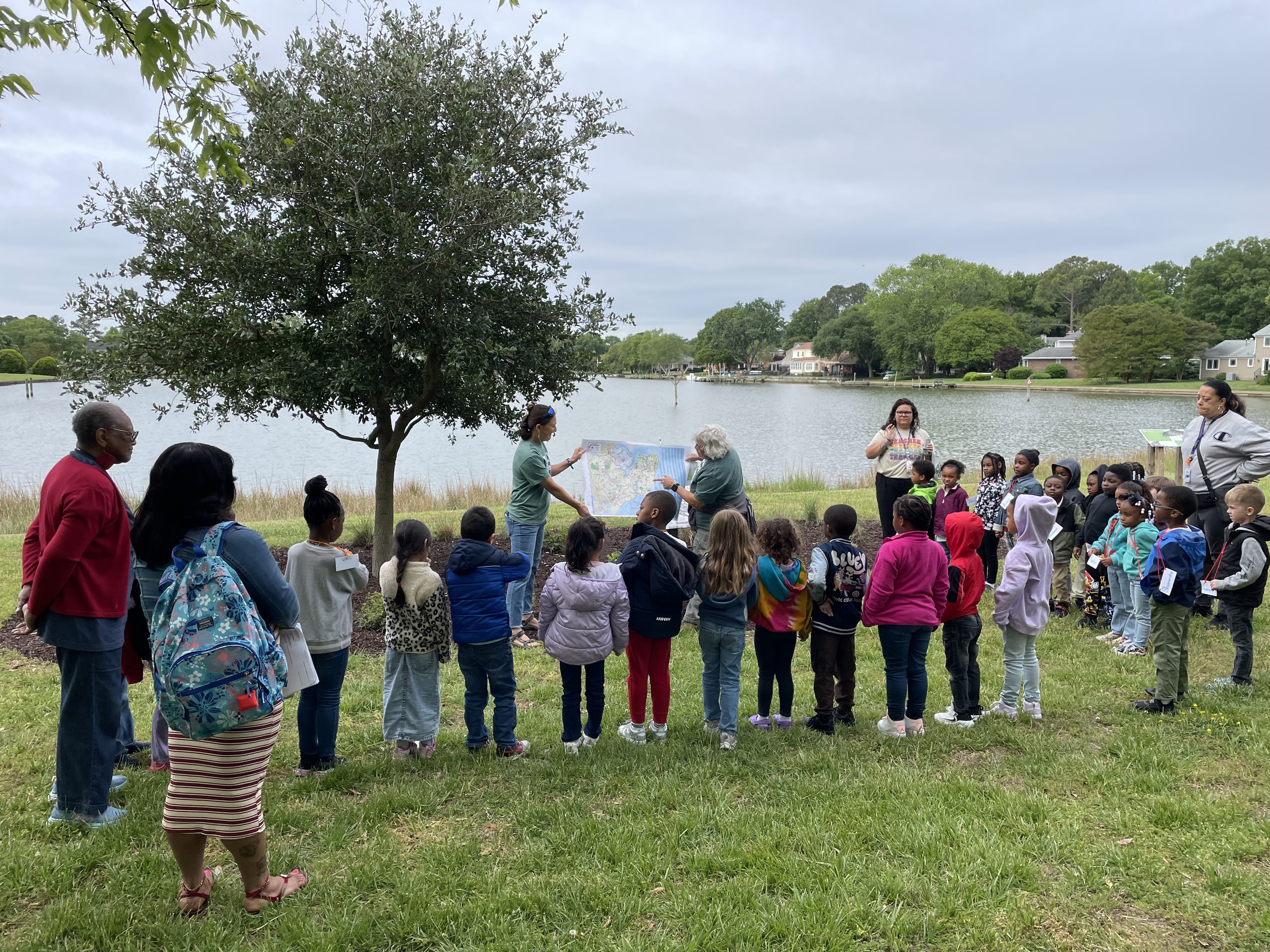
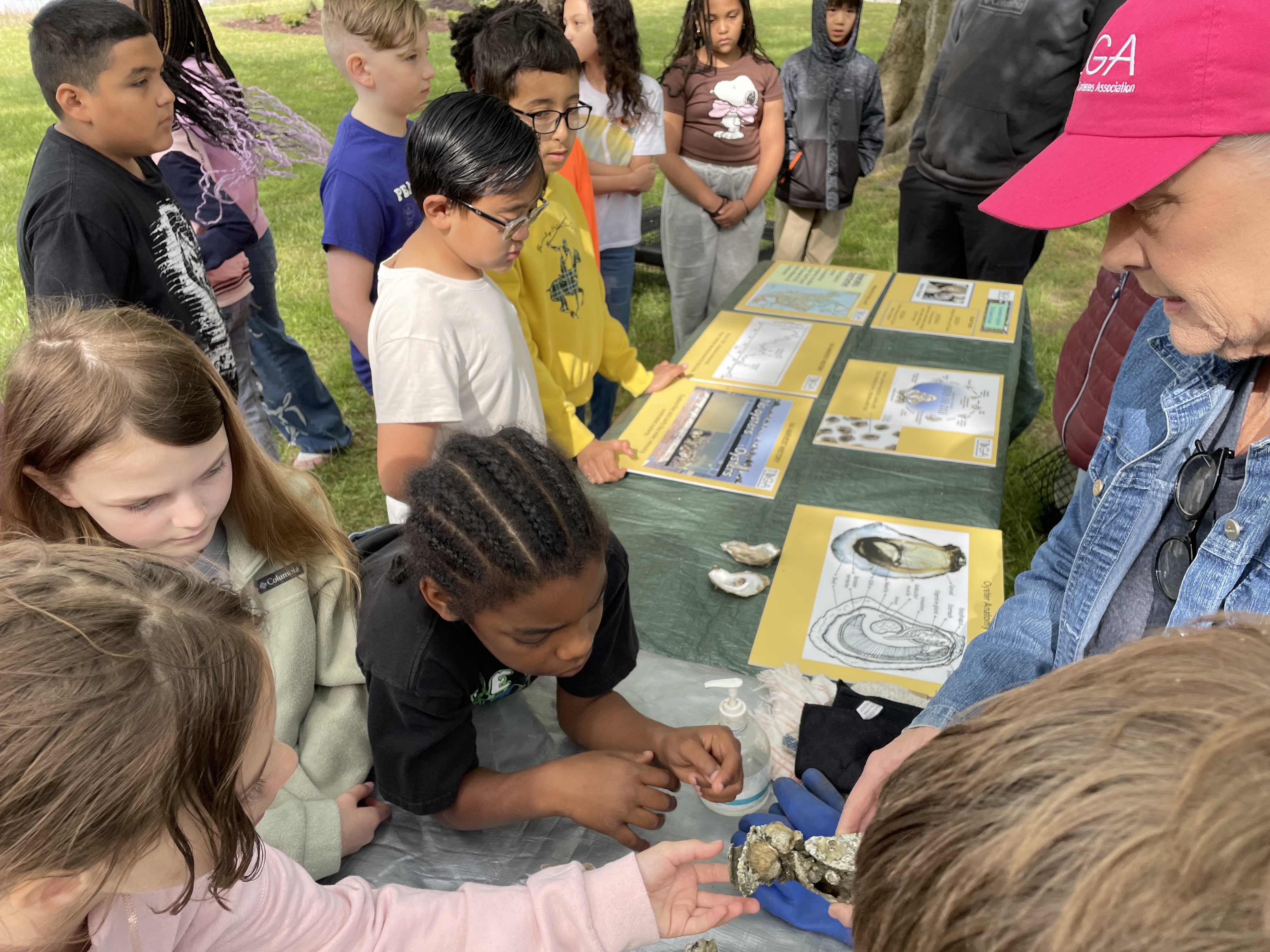
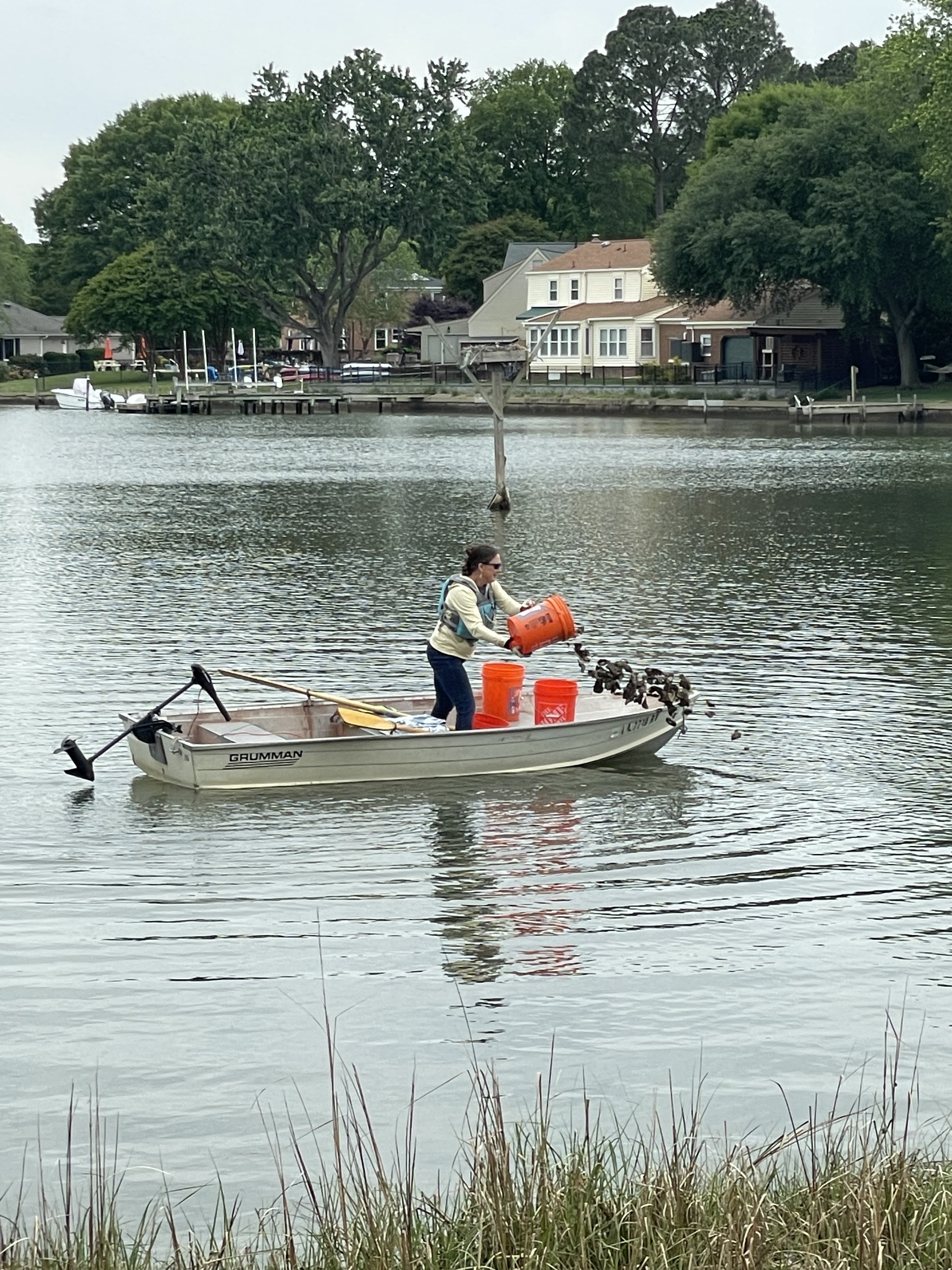
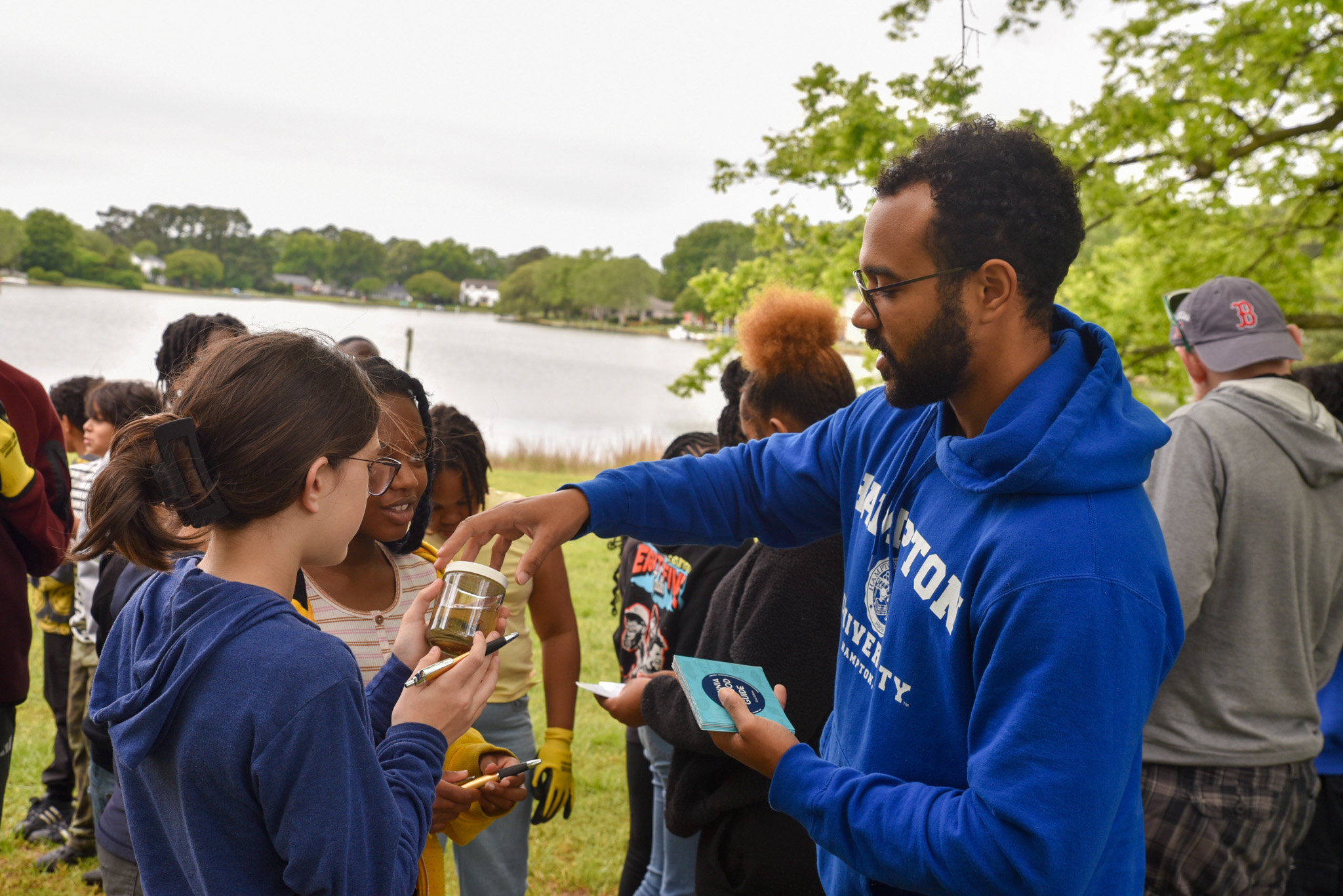
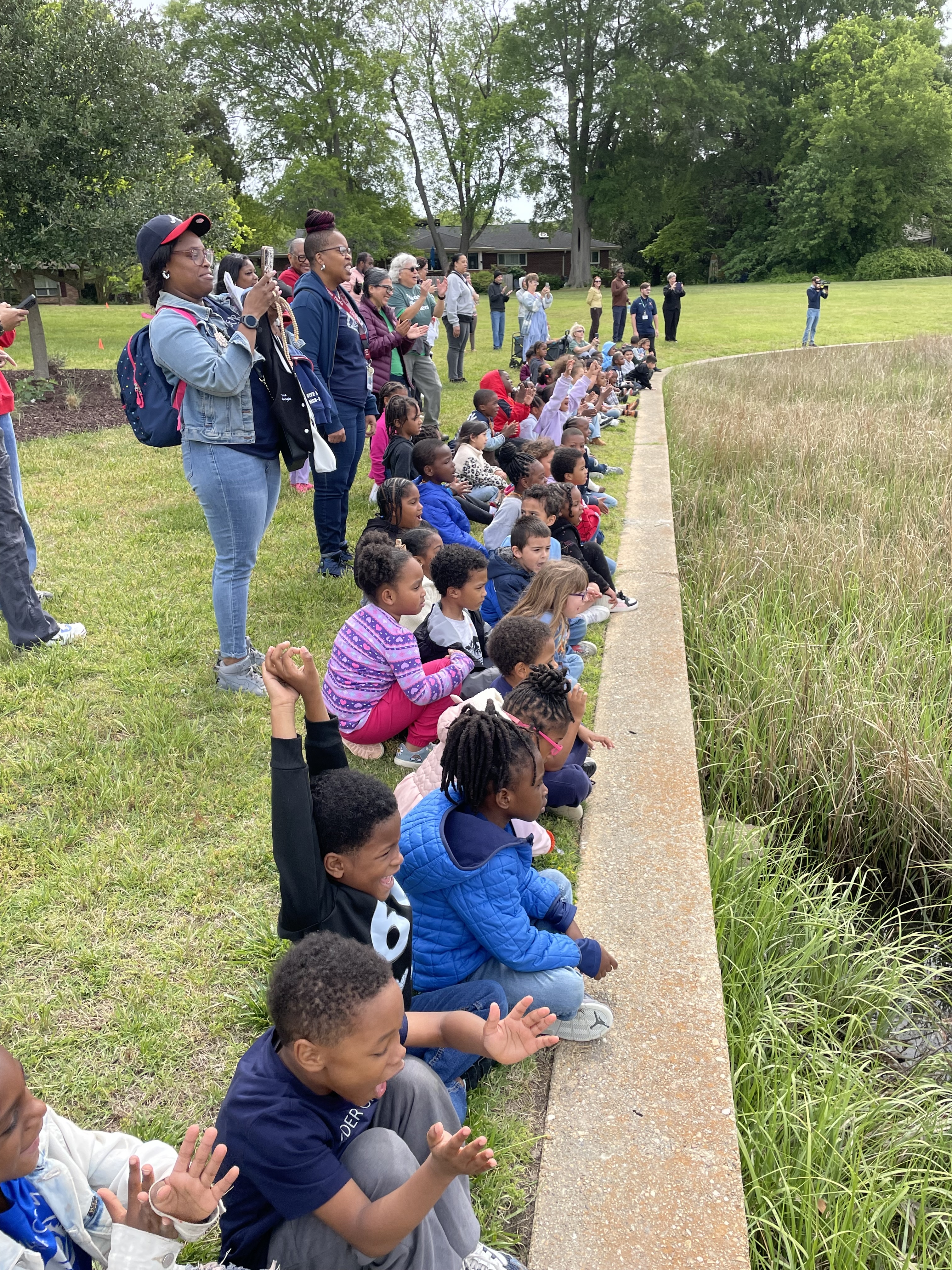
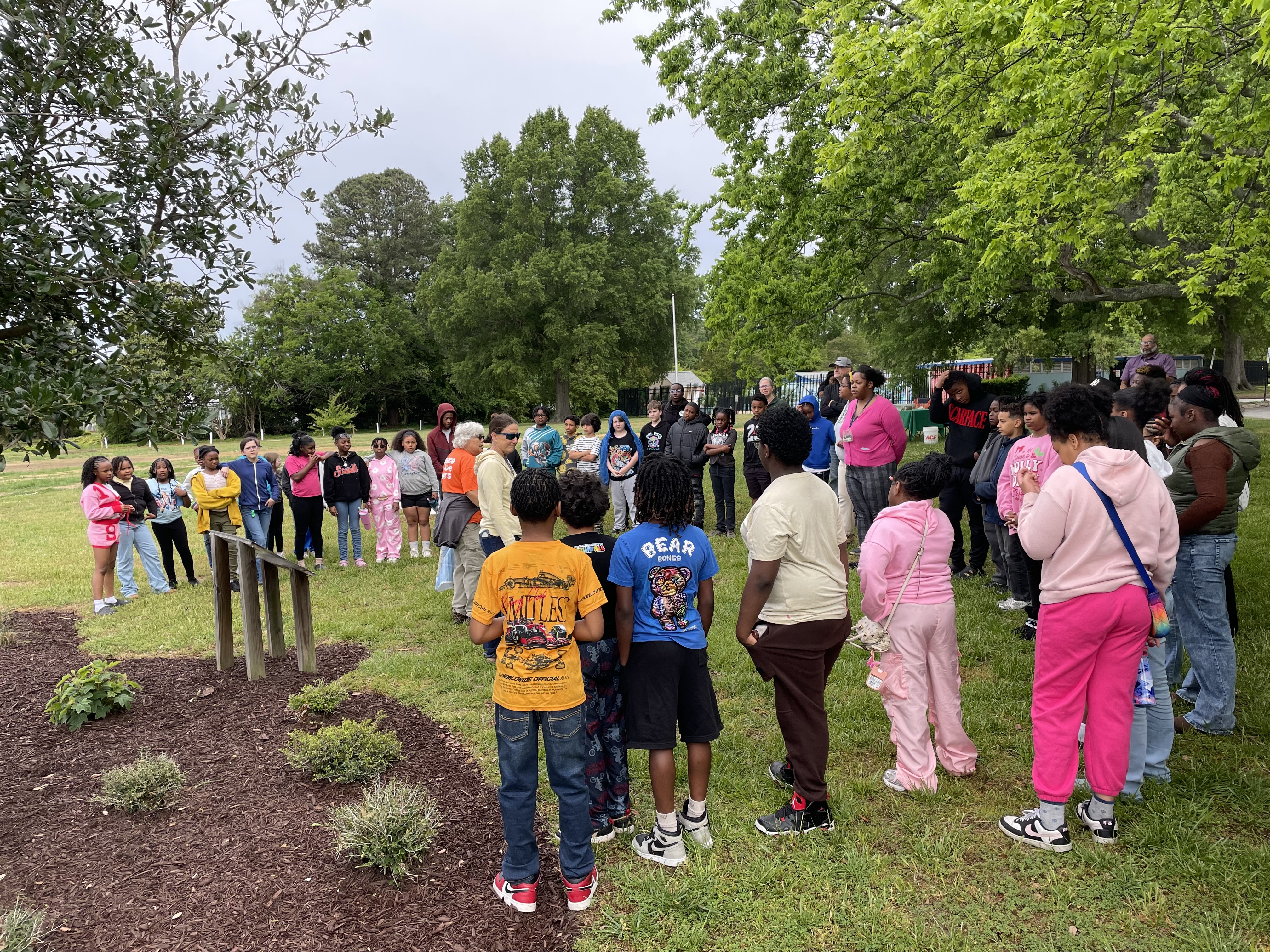
That sense of purpose came full circle during field experiences held April 29 to May 1, hosted by the Elizabeth Lake Estates Civic Association. Students watched as the oysters they had carefully raised were placed onto a sanctuary reef in the Hampton River—a powerful, tangible reminder that their efforts mattered. The field experience also featured hands-on learning stations led by a wide range of community partners, including:
-
Claire Neubert and the Elizabeth Lake Estates Environmental Stewardship Committee
-
Hampton University Assistant Professor of Marine and Environmental Science Dr. Joseph Reustle and graduate students
-
Norfolk State University Biology Professor Dr. Ashley Haines and NSU biology students
-
Tidewater Oyster Gardeners Association (TOGA)
More than 550 students and 60 adults deepened their understanding of oysters, water quality, and the shared responsibility of protecting Hampton’s waterways.
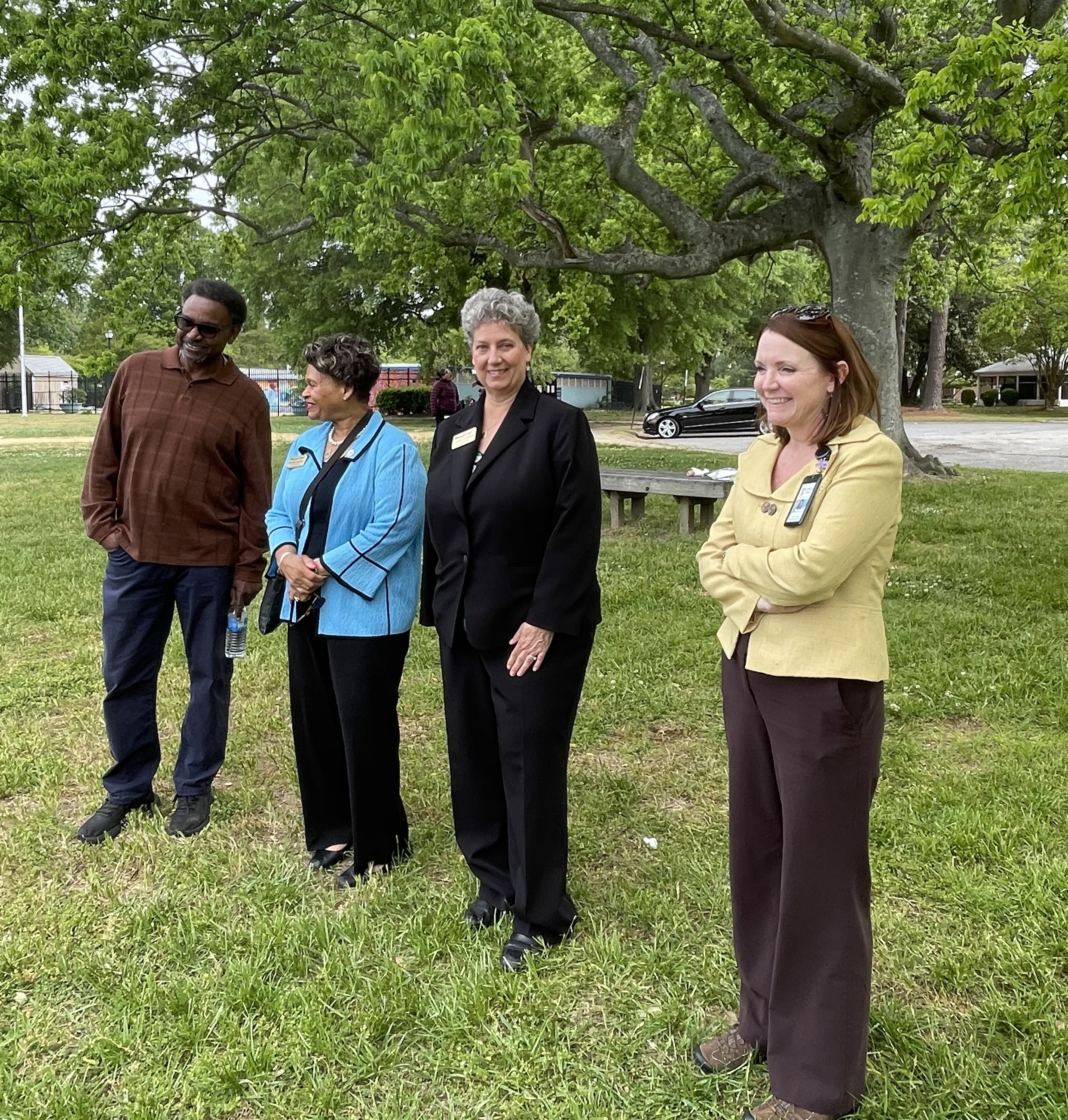
This impactful program has been made possible through strong community collaboration. Grant funding from the Hampton Waterways Restoration Project subcommittee of the Hampton Clean City Commission provided essential supplies and transportation funding. TOGA donated oyster spat and materials that were used by Connor Dunn’s students in Hampton High School’s Maritime Academy to construct cages. The Chesapeake Bay Foundation (CBF) contributed cages with spat-on-shell and secured locations at the downtown docks and Bluewater Marina for keeping the oysters. OSHA funds from the HCS science department ensured safe handling of oysters through the provision of nitrile gloves. Faculty and students from Hampton University and Norfolk State University worked with students/staff attending the spring oyster planting and stewardship experience field trips.
In addition, The Elizabeth Lake Estates Civic Association and the Environmental Stewardship Committee have annually welcomed HCS teachers and students for field trips since 2016. In that time, HCS has added well over 170,000 oysters to local waterways—an extraordinary testament to sustained commitment and environmental leadership. In recognition of these efforts, the program received the 2024 Governor’s Excellence in Environmental Education Award.
At the heart of this success are the teachers who consistently go above and beyond—creating opportunities for students to engage, explore, and make a profound difference. Their dedication turns lessons into impact and students into stewards of their environment. Special thanks to Michaela Williamson and Tyshel Church (Andrews PreK-8); Alison Rhodes (Armstrong School for the Arts); Ashley Carpenter and T’Keyah Guinn (Bassette Elementary); Missy Powell-Riedl (Burbank Elementary); Fiona Sharpe-Jhagroo and Clancie Wilson (Christian Elementary); Marcie Mitrovich (Eaton Fundamental Middle); Mitzi Newlin (Jackson Fundamental Elementary); Michele Ferrel (Kilgore Gifted Center); Margaret Benbow and Marcia Lewis (Phenix PreK-8); and Sara Benham and Kari Espada (Phoebus High School) for making learning meaningful, memorable, and transformative.
© 2026 HAMPTON CITY SCHOOLS All Rights Reserved
ONE FRANKLIN STREET, HAMPTON, VIRGINIA 23669
757-727-2000


.jpg)



.png)
.jpg)