RETURN TO HOME NEWS & ANNOUNCEMENTS GO TO NEWS ARCHIVES

Moton’s little Falcons cultivate community and conservation
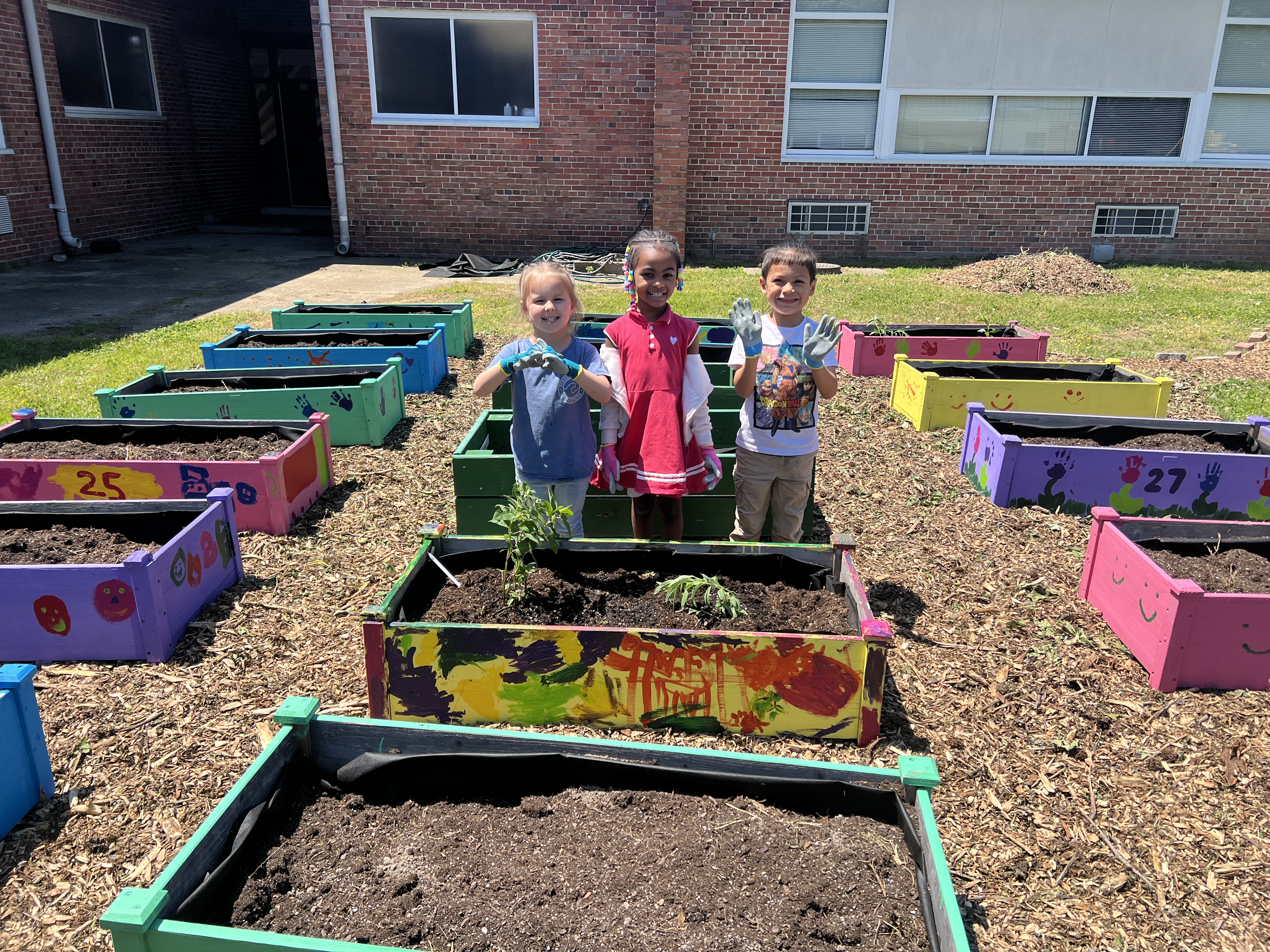
Hampton City Schools’ youngest learners at Moton Early Childhood Center are proving that environmental stewardship can begin early and have a lasting impact. Through hands-on learning and a strong network of community partnerships, preschoolers are helping cultivate not only a thriving garden, but also a deep sense of responsibility, curiosity, and connection to the natural world.
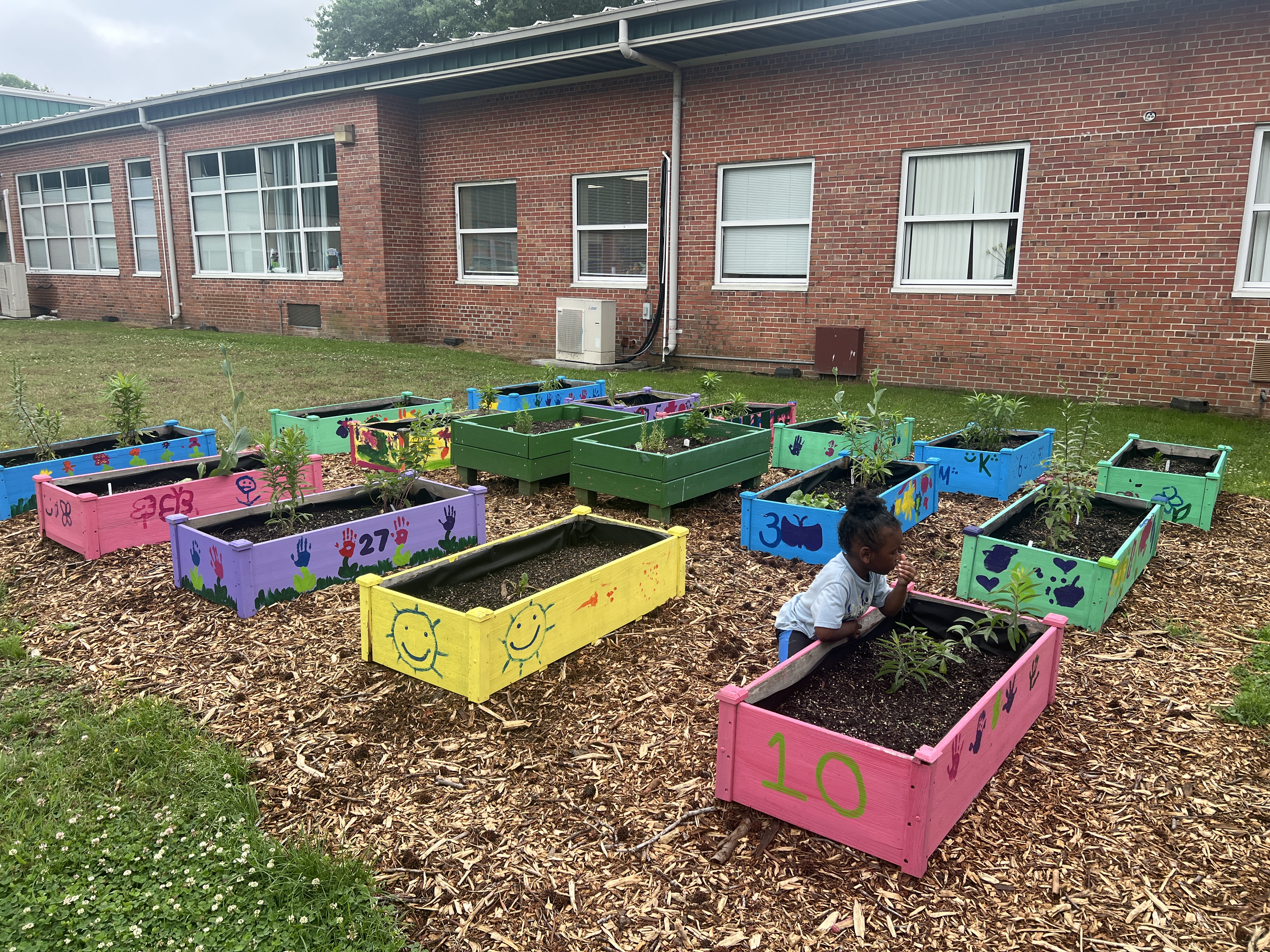
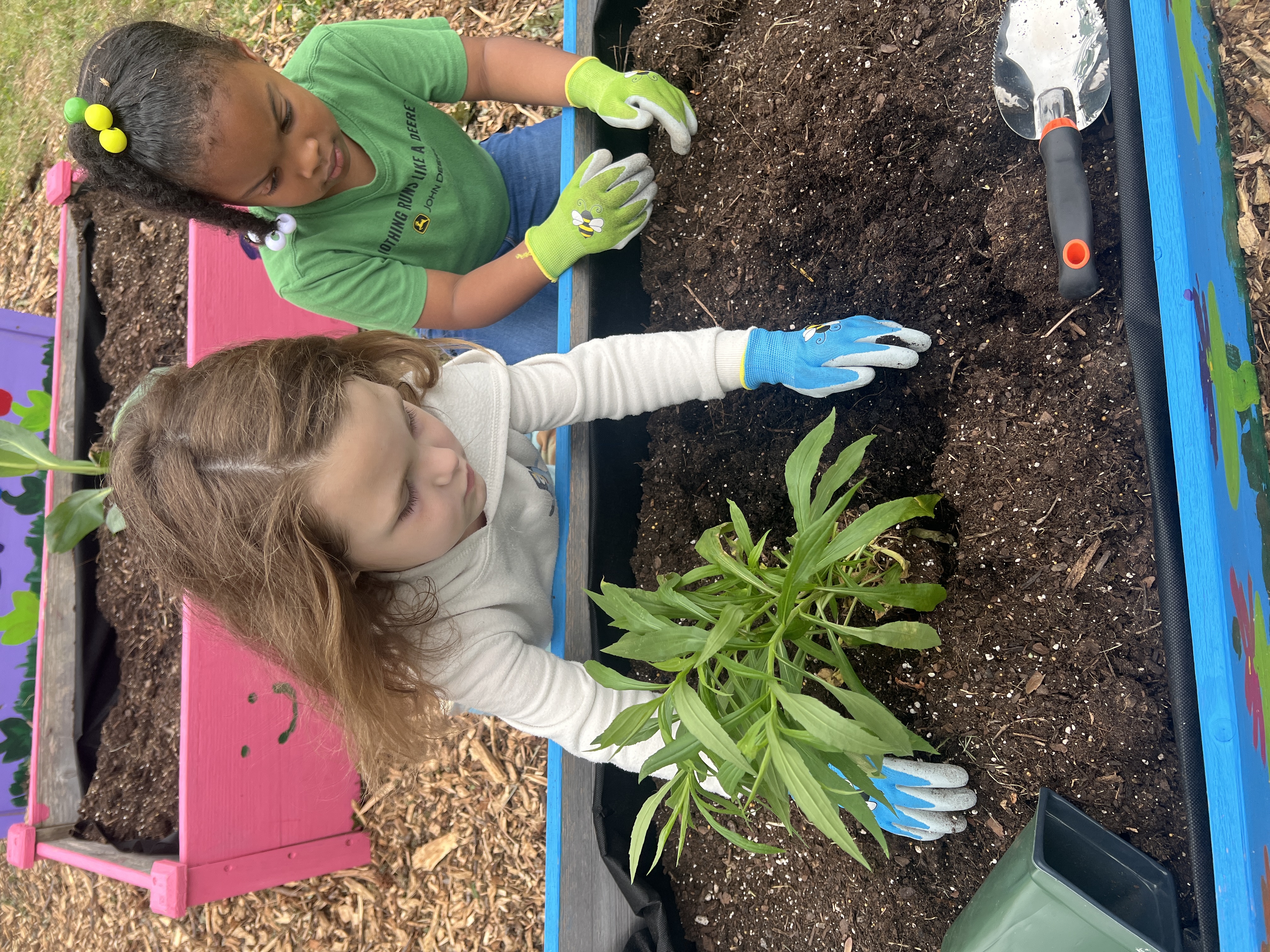
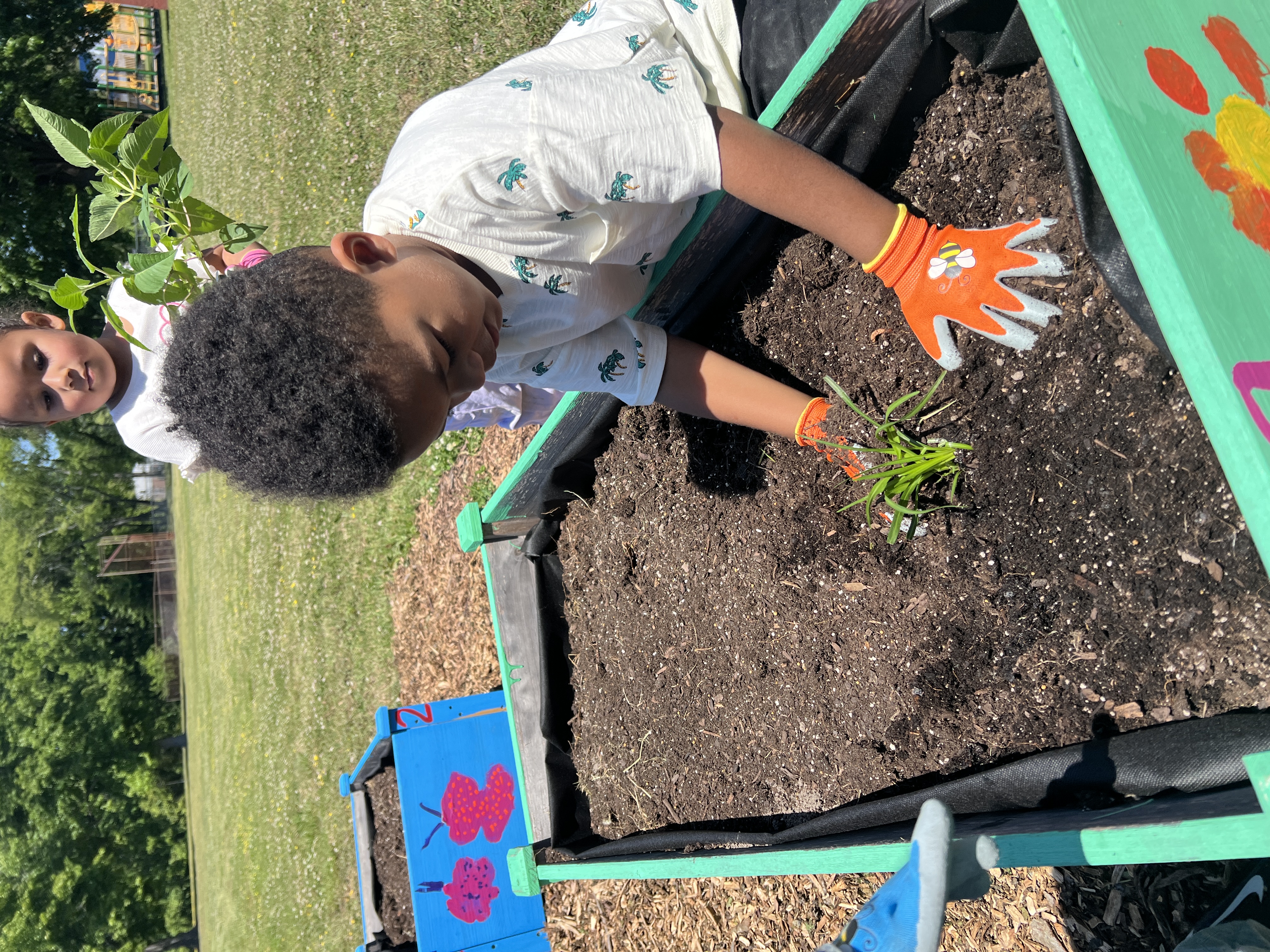
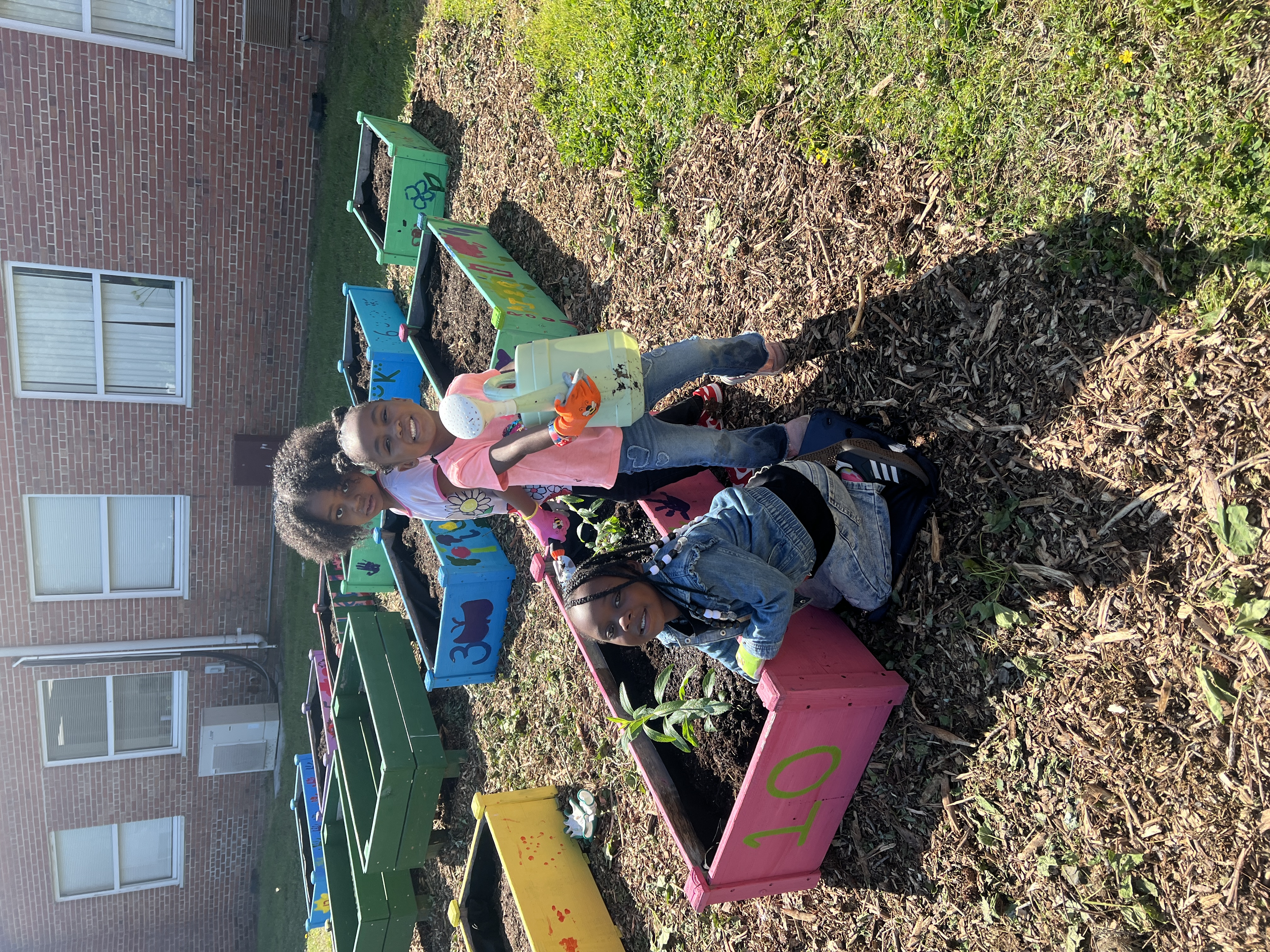
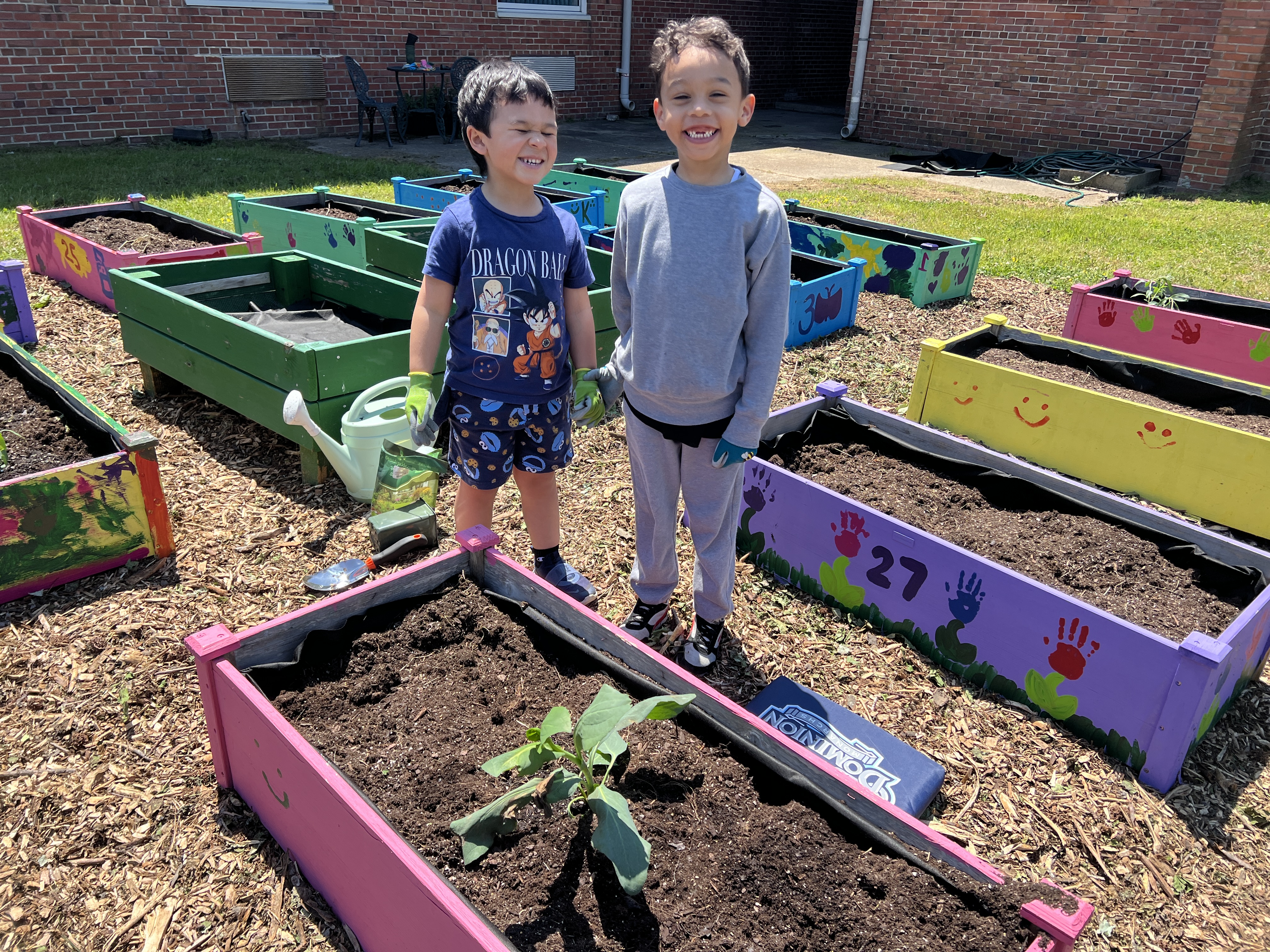
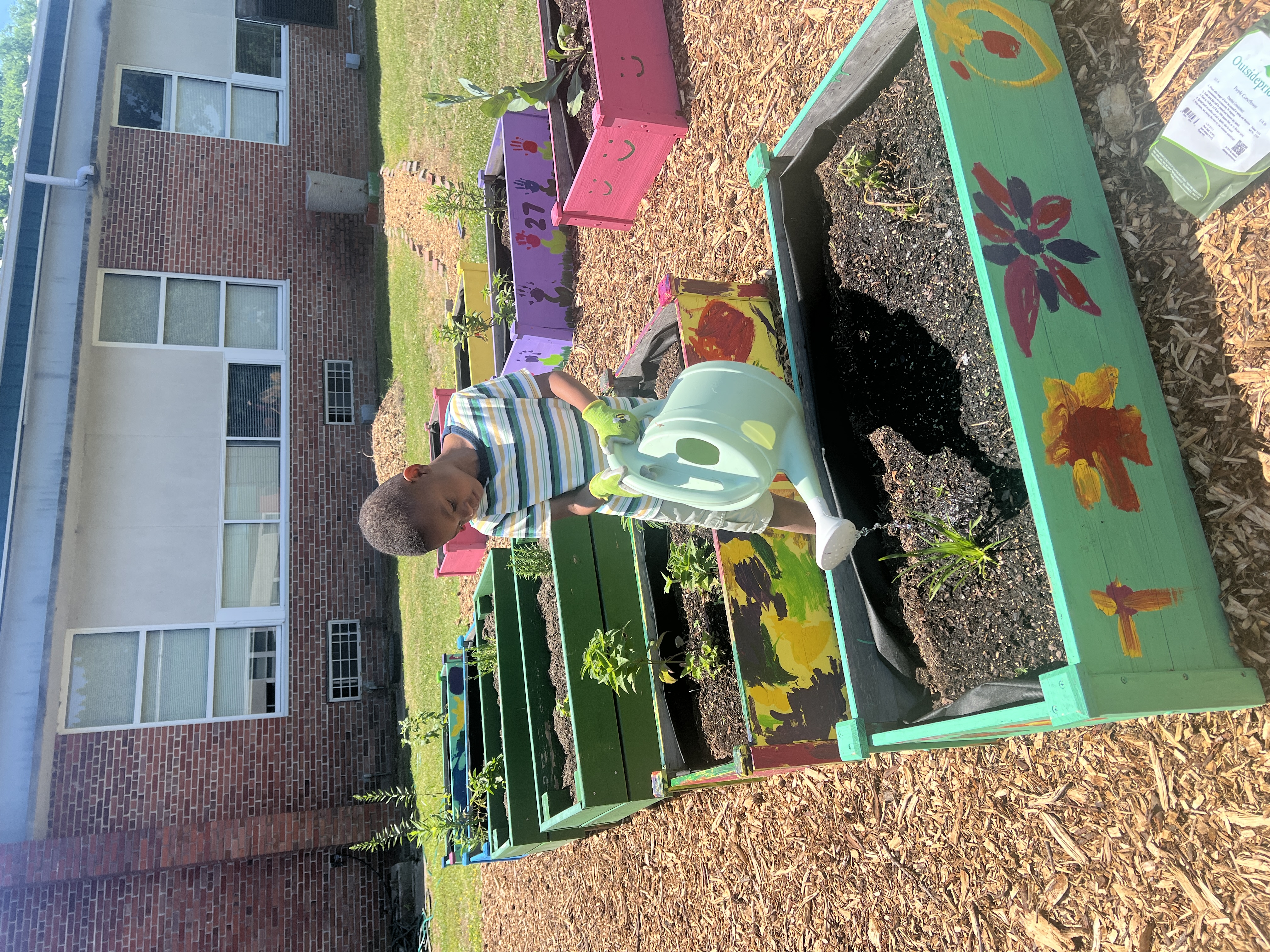
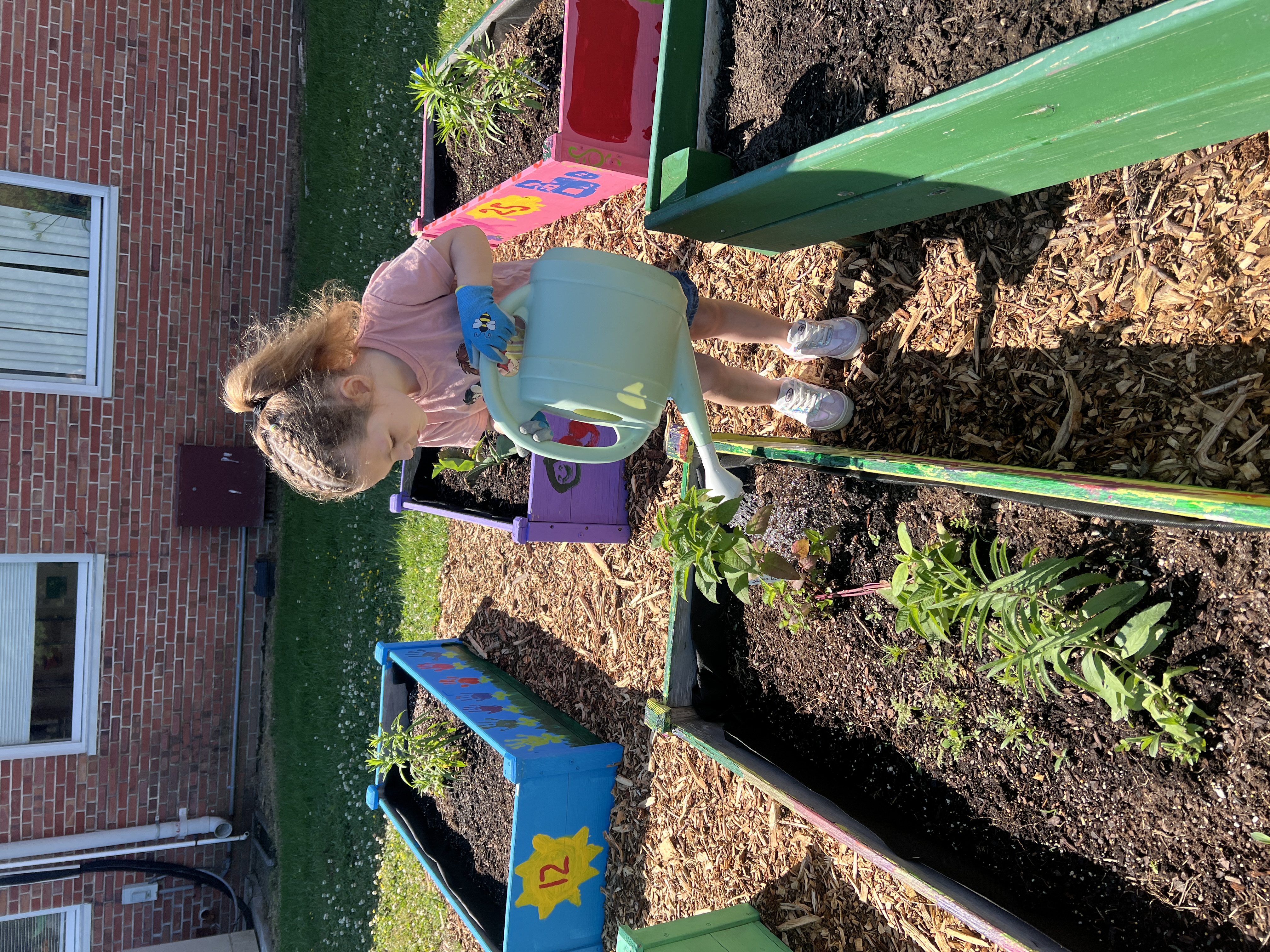
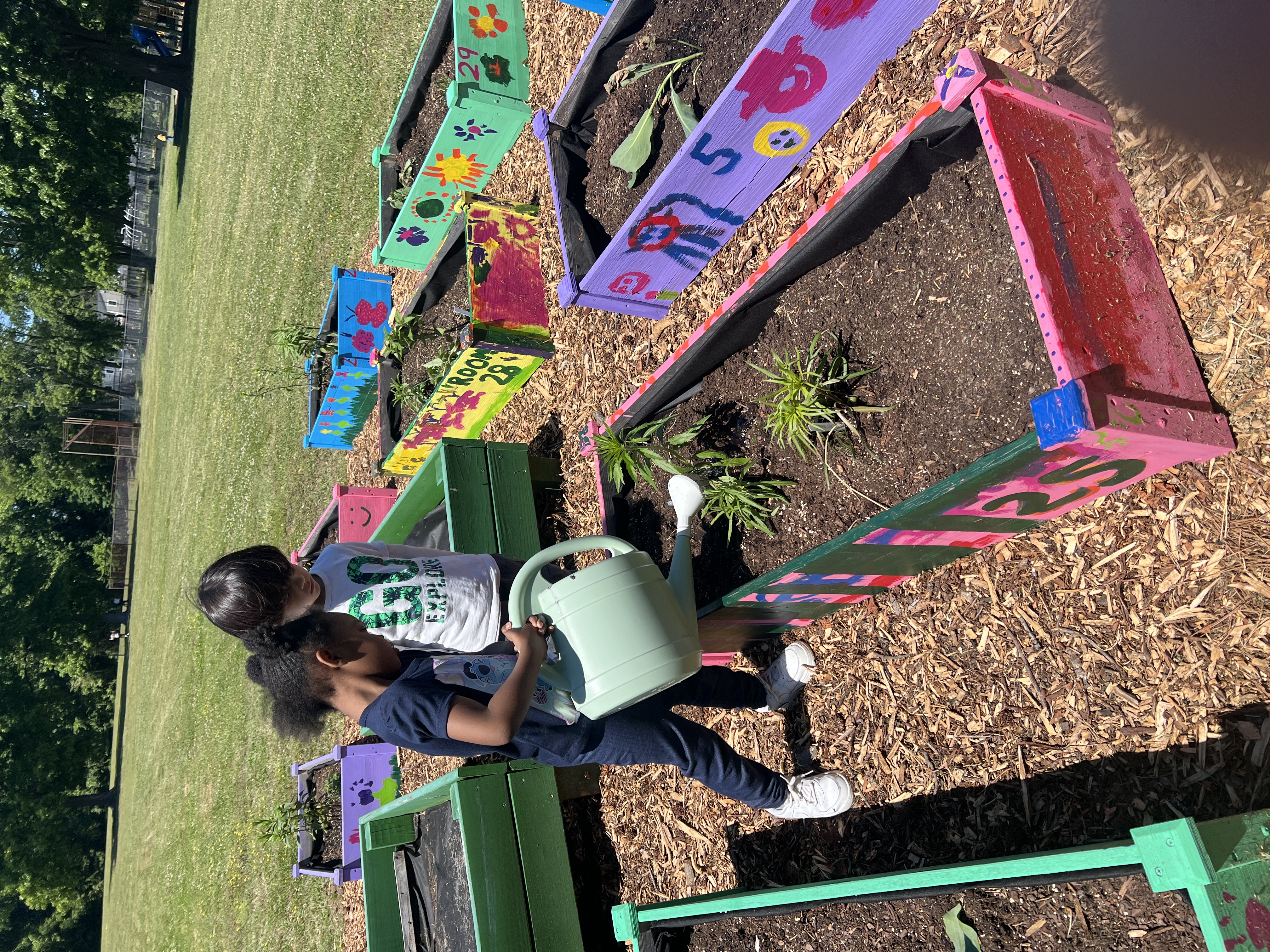
The preschoolers have been hard at work since the beginning of the year, preparing their newly created Learning Garden for a season of growth. School counselor Amy Twisdale launched a community effort to bring the learning space to life, transforming an outdoor area into a vibrant, purposeful garden for the current 192 Moton students. The Learning Garden now includes 17 eye-catching planters filled with fragrant herbs, native plants, and vegetables. Each class has taken ownership of a planter they painted, planted, and continue to monitor, turning the space into an outdoor classroom filled with discovery and pride.
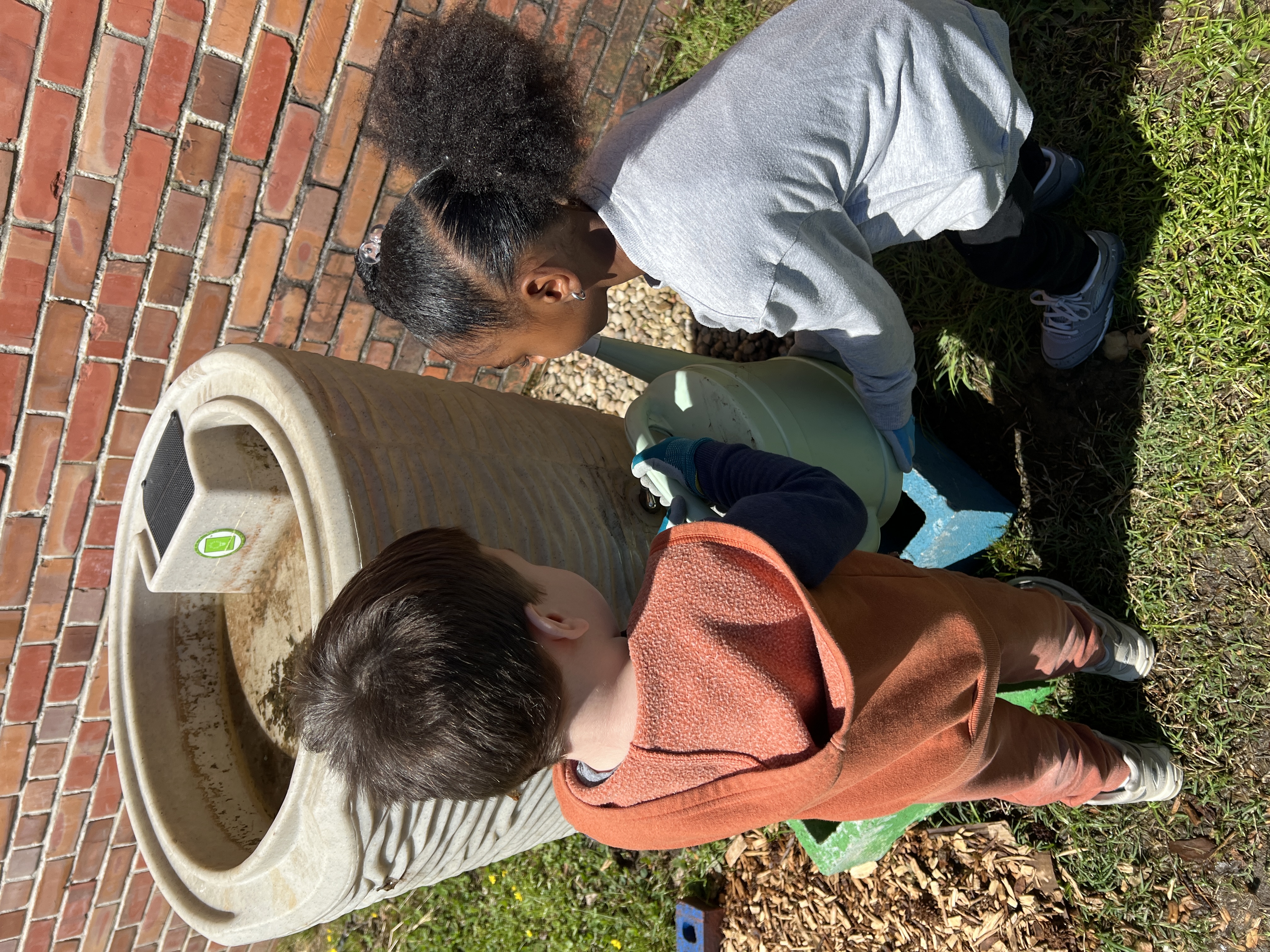
Twisdale reached out to a wide range of community partners to help make the students’ vision a reality. In December, Cary and Richard Byrd donated a rain barrel that will support the school’s efforts to conserve water in the garden. Twisdale also organized a successful DonorsChoose campaign to purchase paint for the planters. In January, Hampton University’s Garden of Eden Club volunteered their time to paint the base layer of each planter. Once dry, every class added their own unique designs, creating a meaningful sense of ownership and belonging in the garden.
Community support continued throughout the winter and spring. Soil was donated in February by Hampton University’s Garden of Eden Club and community members Melissa Tremblay and Patsy Schutte. Dani Wright and her son removed the legs from the existing planters, making them more accessible for students. Twisdale then lined the planters with landscape fabric to prepare for spring planting. In April, Hampton Parks, Recreation, and Leisure Services donated mulch for the garden area, which was delivered by JAG Tree Services. Twisdale and volunteer Mark Fussell spread the mulch, helping complete the garden’s transformation.
In April, the Norfolk Botanical Garden added another layer of support by donating native plants, including aromatic aster, mountain mint, blazing star, giant coneflower, goldenrod, bee balm, and blue sage. Teacher Erin Stoops donated fragrant lavender, spearmint, and rosemary, creating a sensory-rich space for young learners. Sondra Rowe’s class donated a pumpkin they started from a seed in their classroom (from a pumpkin they carved in the fall) as they learned more about plants.
The Learning Garden has quickly become much more than a beautiful outdoor space. It is a safe and welcoming place where preschoolers can explore, investigate, and practice self-regulation while developing an appreciation for the natural world. Students are discovering how herbs can be used to calm and soothe, using sensory experiences to regulate emotions, decompress, and connect classroom learning to real-world experiences.
The garden also provides rich opportunities for early science learning. Each class has selected “planting helpers” who assist with watering and caring for the garden beds. They have learned about rain barrels and the importance of reusing water. They talk about roots as the part of the plant that takes in water and leaves as the part that absorbs sunlight. They eagerly check for emerging seedlings and celebrate each new sign of growth. Through these daily observations, Moton students are building foundational science knowledge while learning what it means to care for living things and the environment around them.
For Twisdale, the garden represents something even greater, “As the school counselor, I envisioned the Moton Learning Garden as a space to enhance resilience, self-efficacy, and emotional regulation, while also helping students build responsibility, foster a greater sense of belonging to the natural environment and their school. This project is a holistic effort that also contributes to the health of the area’s watershed and increases students’ understanding of how the health of the school footprint impacts the nearby road.”
Thanks to the dedication of staff, students, volunteers, and community partners, the Moton preschool class of 2026 is leaving a meaningful legacy, one rooted in stewardship, belonging, and learning. Their efforts have transformed an outdoor space into a vibrant learning environment that will continue to grow and inspire future generations for years to come.
© 2026 HAMPTON CITY SCHOOLS All Rights Reserved
ONE FRANKLIN STREET, HAMPTON, VIRGINIA 23669
757-727-2000


.jpg)




.png)